

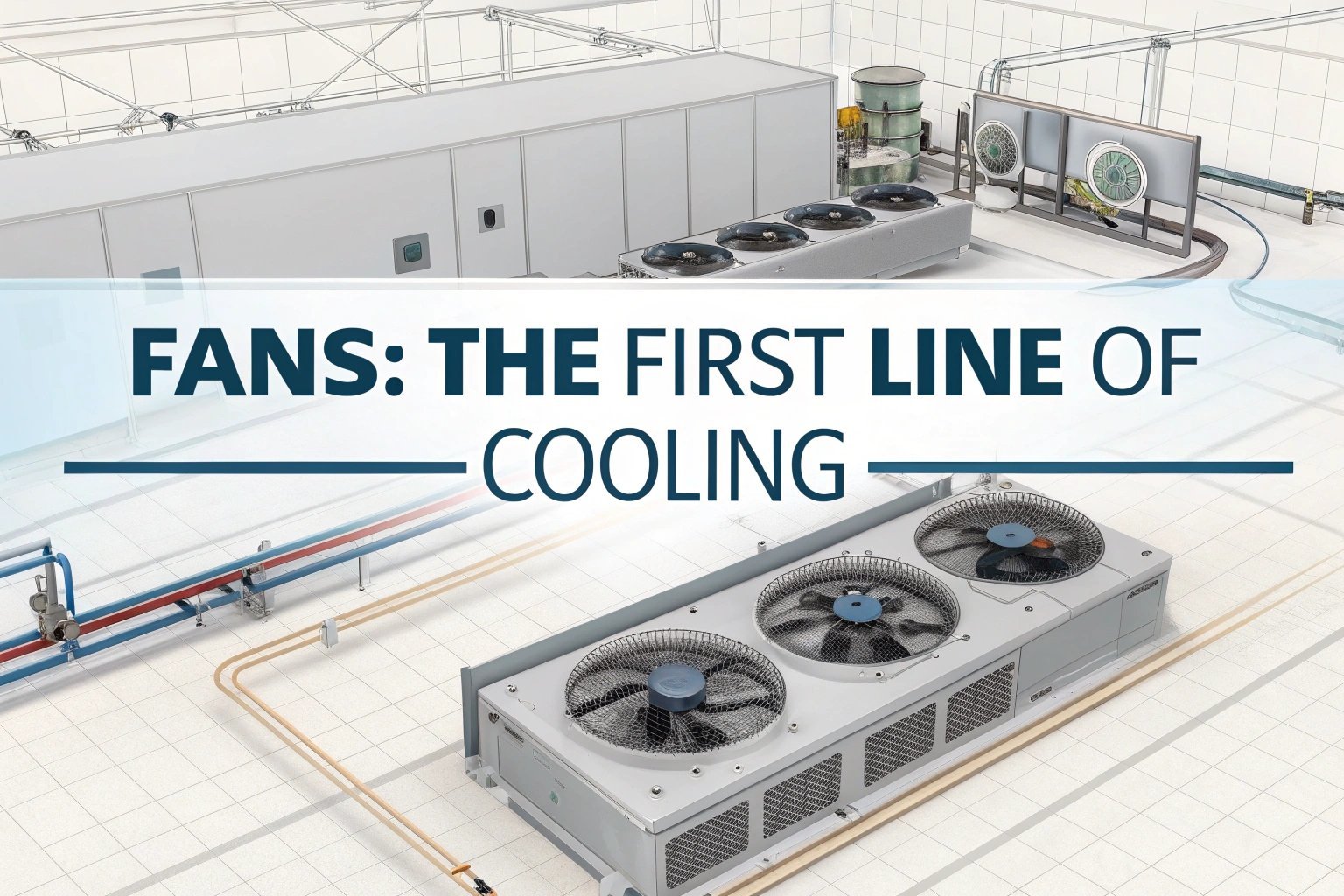
Among the simplest and most effective means through which people could ever keep cool has always been fans. Households long before modern air conditioners came into everyday use relied on fans to move air, enhance comfort, and reduce heat indoors. Fans today remain a first line of cooling because it is affordable to operate, energy-efficient, and simple in application within spaces. Whether you simply want to cool that small room or supplement your HVAC system, a fan can provide instant relief without using much electricity. Let’s explore the different types of fans and how each one helps create a more comfortable environment.
Box or Window Fans
Box and window fans are especially favored for pulling fresh air in and warm indoor air out. A box fan set at a window works well early in the morning or evening when outside temperatures are generally cooler. It is able to pull cool air inside while exhausting the warm air out. Window fans may also be reversible, having airflow settings for intake and exhaust. Simple and light, they serve to cross-ventilate bedrooms, kitchens, and living areas.
Portable Fans
Portable fans are adaptable and easy to maneuver around a house or workplace. They come in different designs-from tower fans to table fans, pedestal fans, and rechargeable ones. A major advantage of portable fans is flexibility-they can be placed wherever comfort is needed. They are good for personal cooling, spot ventilation, gym areas, workshops, and outdoor gatherings. Some modern portable fans also have built-in timers, variable speed settings, and oscillation features that allow for better distribution of airflow.
Ceiling Fans
Ceiling fans are one of the most efficient cooling solutions for large indoor spaces. Installed at height, they circulate air across the entire room, creating a natural breeze that helps your skin feel cooler. Ceiling fans don’t lower temperature directly, but they make rooms feel several degrees cooler through continuous airflow. They are available in multiple blade sizes, styles, and energy-efficient models, making them suitable for homes, offices, halls, restaurants, and commercial spaces. In winter, many ceiling fans can reverse their rotation to push warm air downward, improving heating efficiency.
Whole-House Fans
Whole-house fans are powerful systems designed to cool the entire home by pulling hot air out of the living space and expelling it through the attic. In turn, they draw much cooler outdoor air inside through open windows. The result is fast ventilation and a noticeable drop in indoor temperature. They work best in the evenings or nights when the outdoor air temperature is significantly cooler. Whole-house fans can reduce the need for air conditioning and improve indoor air quality by constantly replacing stale air with fresh air.
Have Specific Equipment or Plant Capacities to Calculate?
Our AI Specialist can troubleshoot technical issues, calculate duct velocity, determine chiller load, or size cables specifically for "Fans: The First Line of Cooling".

popeye21834
Licensed Engineering ContributorChartered Senior MEP Engineer & Review Board Specialist with extensive design, testing, and commissioning field experience across commercial and industrial infrastructure.

Leave a Reply