









Electricity is a vital part of every modern home, powering everything from lighting and appliances to communication devices and security systems. While it makes daily life more convenient, it also requires careful handling. Even small electrical mistakes can lead to serious consequences such as power outages, damaged equipment, or even fires. Many of these issues are preventable with the right knowledge and habits. Understanding the most common electrical mistakes and how to avoid them can help homeowners maintain a safe and efficient living environment.
Overloading Electrical Circuits
One of the most frequent mistakes in homes is overloading electrical circuits. This happens when too many devices are connected to a single circuit, causing it to carry more current than it is designed to handle. Overloaded circuits can lead to overheating, which increases the risk of electrical fires.
To avoid this, spread your electrical load across multiple outlets and circuits. High-power appliances such as heaters, air conditioners, and ovens should have dedicated circuits. If your circuit breaker trips frequently, it’s a clear sign that your system is overloaded and needs attention. In such cases, consulting a qualified electrician is the safest option.
Using Extension Cords as Permanent Solutions
Extension cords are designed for temporary use, yet many homeowners rely on them as a long-term solution. This practice not only creates clutter but also increases the risk of overheating and tripping hazards. Over time, extension cords can wear out, leading to exposed wires and potential shocks.
Instead of relying on extension cords, consider installing additional outlets in areas where you need more access to power. This is a safer and more reliable solution that also improves the overall functionality of your space.
Ignoring Warning Signs
Electrical systems often provide warning signs before a major problem occurs. Ignoring these signs is a common mistake that can lead to serious damage. Flickering lights, buzzing sounds, burning smells, or warm outlets are all indicators of potential issues.
If you notice any of these signs, do not ignore them. Turn off the affected circuit and investigate the problem. If the cause is not immediately clear, seek professional help. Addressing issues early can prevent costly repairs and ensure your home remains safe.
Incorrect Use of Light Bulbs
Using the wrong type or wattage of light bulb is another common mistake. Each light fixture is designed to handle a specific maximum wattage. Exceeding this limit can cause the fixture to overheat, potentially leading to a fire.
Always check the recommended wattage for your fixtures and use bulbs that meet those specifications. Energy-efficient LED bulbs are a great option, as they produce less heat and consume less electricity while providing excellent lighting.
DIY Electrical Work Without Proper Knowledge
While DIY projects can save money and provide a sense of accomplishment, electrical work is not something to take lightly. Attempting complex electrical repairs or installations without proper knowledge can be dangerous and may result in code violations.
Simple tasks like replacing a light switch or installing a new fixture may be manageable with proper guidance, but more advanced work should be left to licensed electricians. Professionals have the training and experience to handle electrical systems safely and correctly.
Poor Wiring Connections
Loose or improper wiring connections are a major cause of electrical problems. Poor connections can create resistance, leading to heat buildup and potential fire hazards. They can also cause intermittent power issues, making it difficult to identify the problem.
To avoid this, ensure all connections are tight and secure. Use proper connectors and follow recommended installation practices. If you are unsure about your wiring, it’s best to have it inspected by a professional.
Lack of Grounding
Grounding is a critical safety feature in electrical systems. It provides a safe path for excess electricity to flow in case of a fault, reducing the risk of electric shock. Older homes may lack proper grounding, which increases the risk of accidents.
If your home does not have grounded outlets, consider upgrading your electrical system. Installing Ground Fault Circuit Interrupters (GFCIs) in key areas can also enhance safety, especially in kitchens, bathrooms, and outdoor spaces.
Placing Electrical Devices Near Water
Water and electricity are a dangerous combination, yet many homeowners overlook this risk. Using electrical devices near sinks, bathtubs, or outdoor water sources increases the likelihood of electric shock.
Always keep electrical appliances away from water and ensure your hands are dry before handling them. Installing GFCI outlets in moisture-prone areas provides an additional layer of protection by cutting off power if a ground fault is detected.
Neglecting Regular Maintenance
Electrical systems require regular maintenance to remain safe and efficient. Neglecting maintenance can lead to worn-out components, outdated wiring, and hidden hazards.
Schedule periodic inspections to check for issues such as loose connections, damaged wires, or outdated equipment. Keeping your system in good condition not only improves safety but also extends its lifespan.
Using Low-Quality Electrical Products
Choosing cheap or low-quality electrical products can lead to long-term problems. Poorly made outlets, switches, and power strips may not meet safety standards and can fail under normal use.
Invest in high-quality, certified products from reputable manufacturers. While they may cost more initially, they offer better performance, durability, and safety.
Improper Use of Power Strips
Power strips are convenient for connecting multiple devices, but they can be misused. Plugging high-power appliances into power strips or daisy-chaining multiple strips together can overload the system.
Use power strips only for low-power devices such as electronics and chargers. For larger appliances, always plug them directly into wall outlets. Additionally, choose power strips with built-in surge protection for added safety.
Failing to Turn Off Power Before Repairs
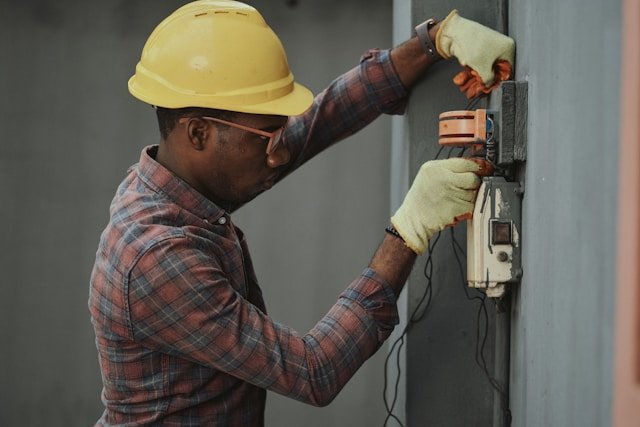
One of the most dangerous mistakes is working on electrical systems without turning off the power. This can result in serious injury or even death due to electric shock.
Before performing any electrical work, always switch off the power at the circuit breaker. Use a voltage tester to confirm that the circuit is no longer live. Taking this simple precaution can prevent accidents and ensure your safety.
Conclusion
Electrical mistakes are more common than many homeowners realize, but they are also largely preventable. By understanding the risks and adopting safe practices, you can protect your home and your family from potential hazards.
Avoid overloading circuits, use proper equipment, and pay attention to warning signs. When in doubt, do not hesitate to seek professional help. Electrical safety is not an area where shortcuts should be taken.
By staying informed and proactive, you can create a safer and more reliable electrical system in your home. Small changes in your habits and awareness can make a significant difference, ensuring that your home remains both comfortable and secure for years to come.