




Heating, ventilation, and air conditioning (HVAC) systems are a major investment in your home, and proper maintenance is essential to keep them running efficiently for years. Regular preventive maintenance not only extends the life of your system but also improves energy efficiency, reduces repair costs, and ensures consistent comfort throughout your home. Understanding and implementing key maintenance practices can help you avoid unexpected breakdowns and maximize the performance of your HVAC system.
Change Air Filters Regularly
One of the simplest and most effective ways to maintain your HVAC system is to replace air filters on a regular schedule. Filters trap dust, dirt, and allergens, preventing them from entering the system and the indoor air you breathe. A clogged filter forces your system to work harder, reducing efficiency and potentially causing damage to components.
For most systems, checking and replacing filters every one to three months is recommended. Homes with pets, children, or high dust levels may require more frequent replacements. Using high-quality filters with the correct rating for your system ensures optimal airflow and protection.
Keep the Area Around the Unit Clean
Whether your HVAC system includes an outdoor condenser unit or indoor components, keeping the surrounding area clean is crucial. Debris such as leaves, grass, and dust can obstruct airflow, reducing efficiency and causing the system to overheat.
For outdoor units, clear at least two feet around the system and ensure that vents are unobstructed. For indoor units, regularly vacuum and dust vents, registers, and nearby areas. Maintaining a clean environment around your HVAC system reduces strain on the components and helps prevent costly repairs.
Inspect and Clean Coils
The evaporator and condenser coils are responsible for heat transfer in your HVAC system. Over time, these coils can accumulate dirt, which diminishes their ability to absorb and release heat efficiently. Dirty coils force the system to work harder, increasing energy consumption and reducing lifespan.
Cleaning the coils at least once a year, preferably during professional maintenance, keeps your system running efficiently. This maintenance task is particularly important for outdoor condenser coils, which are exposed to environmental elements.
Check Refrigerant Levels
For air conditioning and heat pump systems, the refrigerant level must be correct for optimal performance. Low refrigerant levels can cause your system to overheat or freeze, reducing efficiency and potentially damaging the compressor.
A licensed HVAC technician should check refrigerant levels annually and recharge the system if necessary. Handling refrigerant requires professional expertise, so attempting to adjust levels yourself is unsafe and often illegal.
Inspect and Clean Ductwork
Leaky or dirty ducts reduce airflow and make your HVAC system work harder to maintain temperatures. Sealing leaks and cleaning ductwork improves efficiency, enhances air quality, and ensures consistent heating and cooling throughout your home.
Duct inspections should be done every few years, or sooner if you notice uneven temperatures, dust accumulation, or unusual odors. Professional duct cleaning and sealing can provide long-term benefits and reduce energy costs.
Lubricate Moving Parts
Motors, fans, and other moving components in your HVAC system require proper lubrication to operate smoothly. Lack of lubrication increases friction, causing components to wear out faster and reducing system efficiency.
During annual professional maintenance, technicians should lubricate bearings, motors, and other moving parts as needed. Regular lubrication prevents mechanical issues and prolongs the lifespan of critical components.
Check Electrical Connections
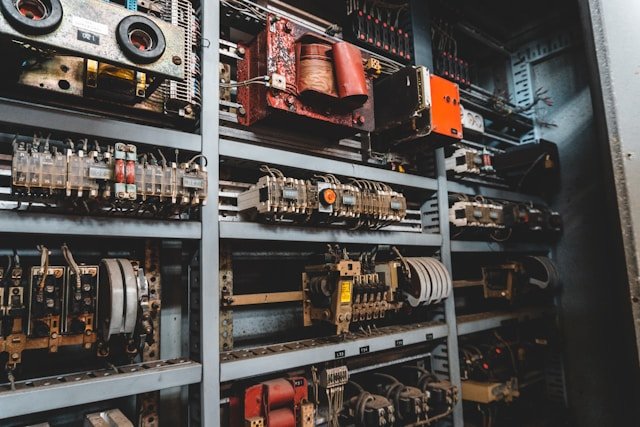
Loose or corroded electrical connections are a common cause of HVAC system failures. Faulty wiring can lead to intermittent operation, overheating, or complete system breakdown.
A professional technician should inspect electrical connections, tighten any loose wires, and check for signs of wear or corrosion. Addressing electrical issues early can prevent costly repairs and potential safety hazards.
Test Thermostat and Controls
A malfunctioning thermostat can cause your HVAC system to run inefficiently, short-cycle, or fail to maintain the desired temperature. Regularly test your thermostat to ensure it accurately reflects indoor temperatures and responds to settings.
Upgrading to a programmable or smart thermostat can also improve energy efficiency by automatically adjusting temperatures based on your schedule. Proper thermostat function is essential for comfort and system longevity.
Schedule Professional Maintenance Annually
While homeowners can perform basic maintenance tasks, an annual professional inspection is crucial for comprehensive care. HVAC technicians can identify minor issues before they become major problems, clean and adjust critical components, and ensure the system operates at peak efficiency.
Annual maintenance reduces unexpected breakdowns, increases lifespan, and can even improve indoor air quality. Many HVAC manufacturers require regular professional maintenance to keep warranties valid, so scheduling yearly service is both practical and beneficial.
Monitor System Performance
Paying attention to your HVAC system’s performance can help you detect issues early. Watch for signs such as uneven temperatures, unusual noises, increased energy bills, or strange odors. Promptly addressing these symptoms can prevent small problems from escalating into major repairs.
Keeping a maintenance log, noting filter changes, professional inspections, and any repairs, helps track the system’s condition and ensures preventive measures are consistently applied.
Conclusion
Preventive maintenance is key to extending the lifespan of your HVAC system, improving efficiency, and reducing costs. By changing filters, cleaning coils and ducts, checking refrigerant and electrical connections, and scheduling professional inspections, homeowners can ensure their systems operate reliably year after year.
Regular care not only protects your investment but also provides a more comfortable, healthier living environment. Incorporating these preventive measures into your routine will help your HVAC system deliver consistent performance, energy savings, and peace of mind for years to come.