



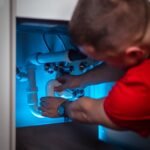

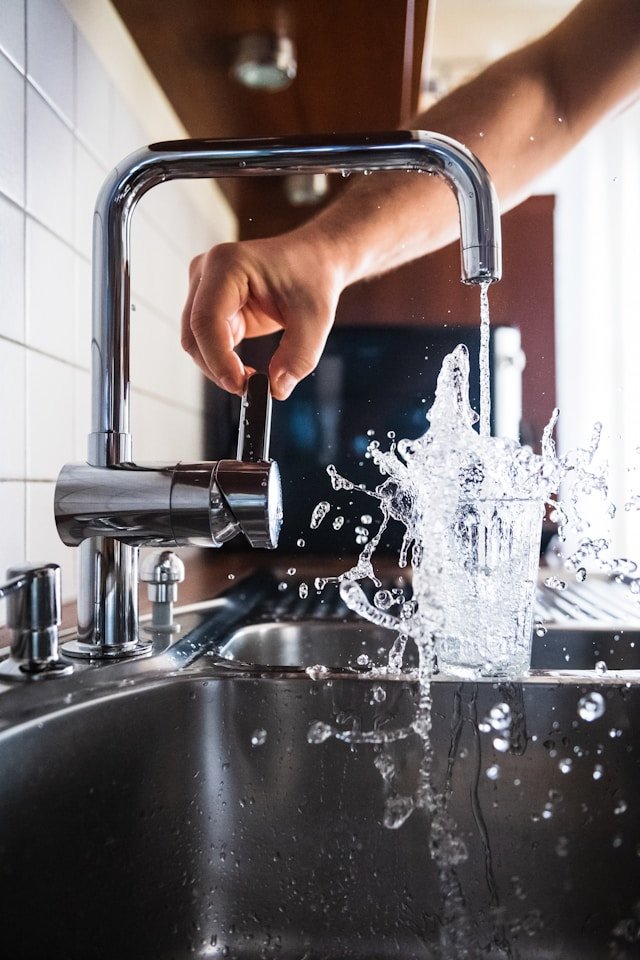
Plumbing is a skilled trade that requires not only knowledge and experience but also the right tools. A professional plumber relies on a combination of hand tools, power tools, and specialized equipment to diagnose problems, install systems, and perform repairs efficiently. Having a well-equipped toolbox ensures that a plumbing technician can handle a wide range of situations, from routine maintenance to emergency repairs. Understanding the essential tools every plumber should have is key to both safety and effectiveness in the field.
Pipe Wrenches
Pipe wrenches are one of the most fundamental tools for any plumber. They are used to grip, twist, and turn pipes, particularly in plumbing systems made of metal. Adjustable pipe wrenches come in various sizes, allowing technicians to work with different diameters of pipes.
High-quality pipe wrenches are durable and provide the leverage needed for tightening or loosening stubborn fittings. They are especially useful when dealing with threaded pipes and connections. A plumber often carries multiple sizes to accommodate different tasks.
Adjustable Wrenches
While pipe wrenches are ideal for round pipes, adjustable wrenches are versatile tools suitable for various nuts, bolts, and fittings. They are essential for plumbing systems with irregular-shaped fasteners.
A good adjustable wrench has a smooth jaw to prevent damage to fittings while providing a secure grip. Having multiple adjustable wrenches of different sizes ensures that a technician can work efficiently on a wide range of components.
Plunger
Plungers are simple yet crucial tools for clearing clogs in sinks, toilets, and drains. They work by creating suction to dislodge blockages, restoring proper flow.
There are different types of plungers, including cup plungers for sinks and flange plungers for toilets. Every plumber should carry both types to handle common drain issues quickly and effectively.
Pipe Cutters
Cutting pipes accurately is a regular task for plumbers, and pipe cutters provide a clean, precise cut. They are available for different pipe materials, including copper, PVC, and steel.
Using a pipe cutter instead of a saw ensures smooth edges, which makes joining pipes easier and reduces the risk of leaks. Ratcheting pipe cutters are especially useful for thicker pipes, allowing technicians to make clean cuts with minimal effort.
Plumber’s Tape (Teflon Tape)
Plumber’s tape, also known as Teflon tape, is essential for sealing threaded pipe connections. It prevents leaks by creating a tight, water-resistant seal between fittings.
Plumbers wrap the tape around threads before assembling pipes, ensuring a secure and durable joint. Carrying rolls of plumber’s tape in various widths helps handle different pipe sizes and applications.
Pipe Benders
For installations requiring precise bends in pipes, pipe benders are invaluable. They allow technicians to shape pipes without kinking or damaging them, which is especially important for metal tubing.
Manual benders are suitable for small-diameter pipes, while hydraulic or mechanical benders handle larger pipes efficiently. Correctly bent pipes improve the aesthetics and functionality of plumbing systems and prevent stress points that could lead to leaks.
Plumbing Snake (Auger)
Clogs that are too stubborn for a plunger require a plumbing snake, also called an auger. This flexible, extendable tool can reach deep into drains and break up or extract blockages.
Hand-crank snakes are useful for sinks and small drains, while motorized augers can tackle larger pipes and more severe clogs. A plumbing snake is essential for technicians who want to provide effective solutions to blocked plumbing systems.
Hacksaw
A hacksaw is a versatile cutting tool that can handle a variety of materials, including metal, plastic, and PVC pipes. It is particularly useful when pipe cutters are not suitable or when quick cuts are needed.
High-quality blades designed for specific materials enhance cutting efficiency and longevity. Every plumber should have a hacksaw with spare blades for various tasks.
Plumbing Pliers
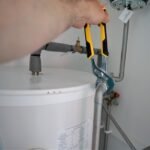
Plumbing pliers, sometimes called tongue-and-groove pliers, are multi-purpose tools used for gripping, twisting, turning, and tightening fittings. Their adjustable jaws allow them to handle pipes and nuts of different sizes.
They are lightweight, durable, and perfect for tight spaces where wrenches may not fit. Having at least one pair of plumber’s pliers is essential for any technician.
Pipe Threading Tools
Threading pipes is necessary for certain installations, particularly with metal pipes. Pipe threading tools create precise threads that allow pipes to be connected securely.
Manual threading kits are suitable for smaller jobs, while electric threading machines improve efficiency for large-scale projects. Proper threading ensures leak-free connections and long-lasting plumbing systems.
Measuring Tools
Accurate measurements are critical for successful plumbing work. Tape measures, rulers, and levels help ensure pipes are cut to the correct length and installed at proper angles.
Laser levels and digital measuring tools are increasingly used in modern plumbing for precision and efficiency. Accurate measurements reduce errors, save materials, and improve the overall quality of the work.
Pipe Freezing Kits
Sometimes plumbing repairs require shutting down part of a system without draining it entirely. Pipe freezing kits allow technicians to temporarily freeze water in a section of pipe, creating an ice plug.
This tool is invaluable for repairs in cold climates or when shutting off the main water supply is not feasible. It provides a practical solution that minimizes disruption while enabling repairs.
Safety Gear
Plumbing involves physical work, exposure to chemicals, and potential electrical hazards. Technicians should always carry and use personal protective equipment (PPE) including gloves, safety goggles, ear protection, and work boots.
Proper safety gear prevents injuries, improves comfort during work, and ensures compliance with occupational safety standards.
Conclusion
A skilled plumbing technician relies on a combination of essential tools to perform tasks efficiently and safely. From basic hand tools like wrenches and pliers to specialized equipment like pipe snakes and threading kits, having a well-equipped toolbox is crucial for professional performance.
Investing in high-quality tools not only enhances work efficiency but also ensures better results and long-term reliability. By mastering the use of these tools and maintaining them properly, plumbing technicians can tackle a wide variety of challenges and provide top-notch service to their clients.