







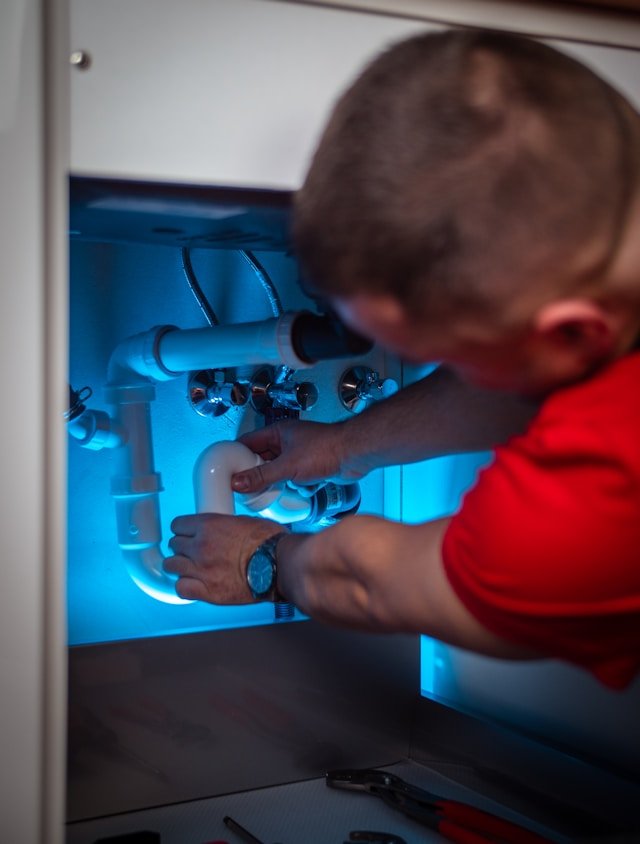
Hidden water leaks are a common problem in homes and buildings that can lead to significant damage if left unchecked. Unlike visible leaks, which are easy to spot, hidden leaks often occur behind walls, under floors, or inside plumbing systems, making them difficult to detect. Over time, these leaks can cause structural damage, mold growth, and increased water bills. Knowing how to identify and repair hidden leaks is essential for homeowners and property managers alike.
Signs of Hidden Water Leaks
Detecting hidden leaks early is crucial to minimizing damage. There are several warning signs that may indicate the presence of a leak:
- Unusually High Water Bills: A sudden increase in your water bill without increased usage often signals a leak somewhere in the system.
- Damp or Discolored Walls and Ceilings: Water stains, peeling paint, or bubbling wallpaper can indicate leaks behind walls or ceilings.
- Musty Odors: Persistent musty smells often point to mold growth caused by moisture from a hidden leak.
- Sound of Running Water: Hearing water running when all taps are off may indicate a leak in pipes or appliances.
- Low Water Pressure: A drop in water pressure can be caused by leaks in the plumbing system.
Being aware of these signs helps you take timely action before small leaks turn into major problems.
Check Your Water Meter
Your water meter is a valuable tool for detecting hidden leaks. To use it:
- Turn off all faucets and water-using appliances.
- Note the reading on the water meter.
- Wait a few hours without using any water and check the meter again.
If the reading has changed, water is flowing somewhere in your system, indicating a potential leak. This method is simple and cost-effective for detecting unseen leaks.
Inspect Common Leak Areas
Certain areas in your home are more prone to hidden leaks:
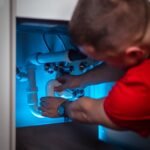
- Under Sinks: Pipes beneath sinks can corrode or loosen, leading to leaks.
- Behind Toilets: Leaks often occur in the water supply line or the toilet tank itself.
- Around Appliances: Dishwashers, washing machines, and water heaters can develop hidden leaks in hoses and connections.
- Basements and Crawl Spaces: Leaks from pipes or foundation cracks may remain unseen but cause water accumulation over time.
Regularly inspecting these areas can help detect leaks before they cause serious damage.
Use Technology for Leak Detection
Modern tools can make detecting hidden leaks much easier:
- Moisture Meters: Measure moisture levels in walls and floors to locate hidden water.
- Infrared Cameras: Detect temperature differences caused by water leaks behind surfaces.
- Acoustic Leak Detectors: Identify the sound of water escaping from pipes, even if it’s behind walls.
Professional plumbers often use these technologies for precise leak detection, but some tools are also available for homeowners.
Fixing Hidden Leaks
Once a leak is detected, timely repair is crucial. The method of repair depends on the type and location of the leak:
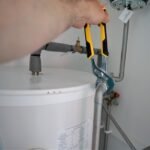
- Pipe Leaks: Small leaks in accessible pipes can be fixed with pipe repair clamps, epoxy putty, or by replacing the damaged section of pipe. For major leaks or hard-to-reach pipes, professional repair may be necessary.
- Leaks in Appliances: Check hoses, seals, and connections. Replace worn-out parts or tighten fittings to stop leaks.
- Toilet Leaks: Common issues include a worn flapper or faulty fill valve. Replacing these components often resolves the problem.
- Leaks Behind Walls or Floors: These often require opening up the affected area to access the pipe. After repairing the pipe, restore the wall or flooring.
It’s important to act promptly to prevent water damage, mold growth, and structural issues.
Preventing Future Leaks
Preventive measures help reduce the risk of hidden leaks:
- Regular Maintenance: Inspect pipes, hoses, and appliances periodically.
- Install Water Leak Detectors: Smart sensors can alert you to leaks in real time.
- Monitor Water Usage: Keep an eye on your water bills for unusual spikes.
- Upgrade Aging Plumbing: Replace old pipes prone to corrosion or leaks.
- Insulate Pipes: Protect pipes from freezing in winter, which can cause cracks and leaks.
Implementing these practices ensures long-term protection against water damage and reduces repair costs.
When to Call a Professional
While minor leaks can often be handled by homeowners, hidden or severe leaks require professional assistance. Plumbers have the experience, tools, and expertise to locate and repair leaks quickly and efficiently. If you notice persistent issues, widespread water damage, or cannot access the leak, it’s best to consult a licensed professional.
Conclusion
Hidden water leaks can silently cause significant damage, from structural problems to mold growth and high water bills. Recognizing the warning signs, using your water meter, inspecting vulnerable areas, and leveraging modern detection tools are essential steps for early identification. Once detected, repairing leaks promptly and taking preventive measures ensures your plumbing system remains efficient and your home protected. Regular monitoring, maintenance, and professional support are key to minimizing the impact of hidden leaks and maintaining a safe, healthy living environment.