


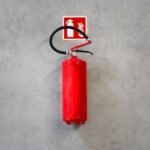








Fire safety is a critical aspect of both residential and commercial spaces. Having the right type of fire extinguisher and knowing when and how to use it can prevent small fires from becoming major disasters. Fire extinguishers are designed to tackle different kinds of fires based on the materials involved. Understanding the classifications and appropriate applications ensures that you can respond effectively in an emergency.
Class A Fire Extinguishers: Ordinary Combustibles
Class A fire extinguishers are designed for fires involving ordinary combustible materials such as wood, paper, cloth, and some plastics.
- Contents: These extinguishers often contain water or foam. Water extinguishers cool the fire, while foam creates a barrier between the fuel and oxygen.
- Best Uses: Use Class A extinguishers for fires in furniture, books, cardboard, or household items.
- Precautions: Water-based extinguishers should not be used on electrical fires, as they can conduct electricity and cause injury.
Class B Fire Extinguishers: Flammable Liquids
Class B extinguishers are intended for fires involving flammable liquids such as gasoline, oil, paint, solvents, and grease.
- Contents: These extinguishers typically use foam, carbon dioxide (CO₂), or dry chemical powders to suppress flames by smothering the fire or interrupting the chemical reaction.
- Best Uses: Ideal for kitchens, garages, workshops, and areas where flammable liquids are stored.
- Precautions: Never use water on Class B fires, as it can spread the flammable liquid and worsen the fire.
Class C Fire Extinguishers: Electrical Fires
Class C fire extinguishers are designed for fires involving electrical equipment, such as wiring, appliances, and circuit breakers.
- Contents: These extinguishers commonly contain non-conductive agents like carbon dioxide or dry chemical powders. CO₂ extinguishers displace oxygen around the fire, while dry chemicals interrupt the combustion process.
- Best Uses: Offices, computer rooms, and areas with active electrical equipment benefit from Class C extinguishers.
- Precautions: Never use water on electrical fires, as it can cause electrocution. Always ensure the power source is turned off if possible before attempting to extinguish the fire.
Class D Fire Extinguishers: Combustible Metals
Class D extinguishers are specialized for fires involving combustible metals such as magnesium, titanium, sodium, and potassium.
- Contents: These extinguishers use dry powder agents specifically formulated to absorb heat and smother metal fires without reacting violently with the material.
- Best Uses: Commonly found in laboratories, metalworking facilities, and industrial environments handling reactive metals.
- Precautions: Regular extinguishing methods, including water or CO₂, can react dangerously with combustible metals, so Class D extinguishers are essential.
Class K Fire Extinguishers: Kitchen Fires
Class K extinguishers are designed for fires involving cooking oils, fats, and grease. These types of fires are common in commercial kitchens but can also occur in home kitchens.
- Contents: Wet chemical agents in Class K extinguishers cool the fire and create a soapy foam layer that prevents re-ignition.
- Best Uses: Deep fryers, stovetops, and commercial cooking equipment where vegetable oils or animal fats are used.
- Precautions: Never attempt to extinguish a grease fire with water, as it can cause the oil to splatter and spread the fire.
Multi-Class Fire Extinguishers
Many modern extinguishers are labeled with multiple classes, such as ABC, to cover a wider range of fire types.
- Contents: ABC extinguishers use monoammonium phosphate dry chemical powder, which is effective on ordinary combustibles, flammable liquids, and electrical fires.
- Best Uses: Homes, offices, schools, and general-purpose environments where different fire types may occur.
- Precautions: While convenient, multi-class extinguishers may not be effective for specialized fires like combustible metals or large commercial kitchen fires, which require Class D or K extinguishers respectively.
Tips for Proper Fire Extinguisher Use
Understanding the proper technique is just as important as selecting the right extinguisher. The PASS method is a standard guideline:
- Pull the Pin: Unlock the extinguisher by pulling the safety pin.
- Aim Low: Direct the nozzle at the base of the fire.
- Squeeze the Handle: Engage the extinguisher to release the extinguishing agent.
- Sweep Side to Side: Move the nozzle from side to side to cover the fire base evenly until the fire is completely out.
Regular Maintenance and Inspection
To ensure reliability, fire extinguishers must be regularly inspected and maintained:
- Check pressure gauges monthly to ensure the extinguisher is fully charged.
- Look for signs of damage, corrosion, or leakage.
- Ensure the nozzle is clear and unobstructed.
- Have professional servicing annually or as recommended by the manufacturer.
Conclusion
Choosing the right type of fire extinguisher and knowing when to use it is crucial for safety in homes, offices, and industrial environments. Class A extinguishers are best for ordinary combustibles, Class B for flammable liquids, Class C for electrical fires, Class D for combustible metals, and Class K for kitchen grease fires. Multi-class extinguishers offer versatility for general use, while specialized extinguishers address specific hazards.
By understanding fire classifications, using the PASS method correctly, and maintaining extinguishers properly, homeowners and professionals can respond effectively to fire emergencies, reducing the risk of injury, property damage, and potential loss of life.