
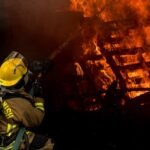
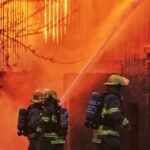
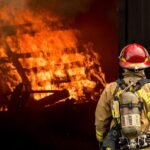




Fire safety is a critical consideration for every building, whether residential, commercial, or industrial. Proper fire safety systems protect lives, minimize property damage, and ensure compliance with local building codes and regulations. Implementing a comprehensive fire safety plan involves installing multiple systems that detect, suppress, and alert occupants to fire hazards. Understanding the essential fire safety systems every building must have is key to maintaining a safe environment for everyone inside.
Smoke and Heat Detectors
Smoke and heat detectors are the first line of defense against fire. They detect the presence of smoke or a rapid increase in temperature, providing early warning to occupants.
- Smoke Detectors: These devices sense particles produced by combustion. Photoelectric smoke detectors are more responsive to smoldering fires, while ionization detectors react quickly to fast-flaming fires.
- Heat Detectors: Heat detectors respond to temperature changes rather than smoke. They are ideal for areas where smoke may not be present, such as kitchens or mechanical rooms.
- Best Practices: Detectors should be installed on every floor, inside bedrooms, near kitchens, and in hallways. Regular testing and battery replacement are essential for reliable operation.
Fire Alarm Systems
Fire alarm systems alert occupants to evacuate and notify emergency services in the event of a fire.
- Components: Fire alarms include control panels, audible alarms, visual strobes, and manual pull stations. Modern systems may integrate with smoke detectors, sprinkler systems, and emergency lighting.
- Best Uses: Buildings of all sizes require fire alarms, but they are especially critical in high-occupancy areas such as schools, offices, and hotels.
- Maintenance: Regular inspection ensures alarms are functional and compliant with safety standards. Conducting fire drills ensures occupants know how to respond promptly.
Fire Sprinkler Systems
Automatic fire sprinkler systems control or extinguish fires before they can spread.
- Types: Wet-pipe sprinklers are the most common and are filled with water ready to discharge. Dry-pipe systems are filled with pressurized air and release water when activated, suitable for unheated areas prone to freezing. Pre-action and deluge systems are used in specialized environments such as data centers or chemical plants.
- Benefits: Sprinklers reduce fire damage, limit smoke production, and increase occupant safety. Studies show that buildings with sprinkler systems experience significantly lower fire-related losses.
- Maintenance: Periodic inspection, testing, and flushing ensure proper operation and compliance with local fire codes.
Fire Extinguishers
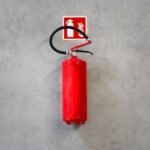
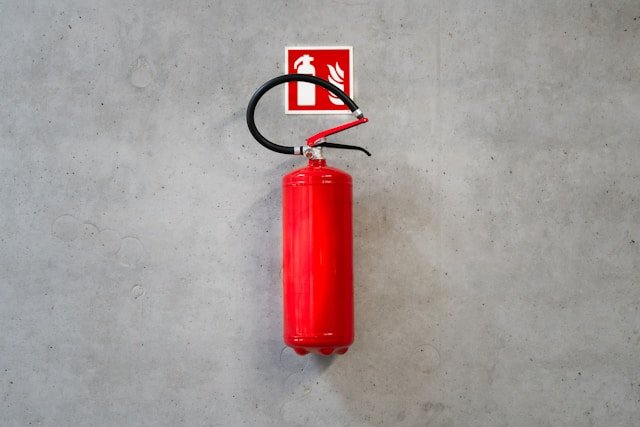
Portable fire extinguishers provide a way to tackle small fires before they escalate.
- Types: Class A extinguishers are for ordinary combustibles, Class B for flammable liquids, Class C for electrical fires, Class D for combustible metals, and Class K for kitchen grease fires. Multi-class ABC extinguishers cover most common fire hazards.
- Placement: Extinguishers should be installed in accessible locations, including kitchens, mechanical rooms, hallways, and near exits.
- Training: Occupants should be trained on proper extinguisher use using the PASS method—Pull, Aim, Squeeze, Sweep. Regular inspections ensure the extinguishers are charged and in good working order.
Emergency Lighting and Exit Signs
In a fire, power outages or smoke can make evacuation difficult. Emergency lighting and exit signs guide occupants safely out of the building.
- Components: Battery-backed lights illuminate stairwells, corridors, and exits during power failures. Glow-in-the-dark or LED exit signs indicate evacuation routes clearly.
- Best Practices: Lights and signs should be tested regularly to ensure they function during emergencies. Proper placement is critical for guiding occupants quickly and safely.
Fire Doors and Compartmentalization
Fire doors and compartmentalization help contain fires and limit their spread, providing occupants with additional time to evacuate.
- Fire Doors: These doors are designed to withstand fire for a specific duration, typically 30 to 90 minutes, and prevent smoke from entering safe areas.
- Compartmentalization: Walls and barriers separate different sections of a building, limiting the spread of fire and smoke. This strategy is particularly important in large commercial and multi-story buildings.
- Maintenance: Fire doors must remain closed and unobstructed, with regular inspections to ensure proper functionality.
Fire Suppression Systems for Specialized Hazards
Certain environments require specialized fire suppression systems beyond standard sprinklers.
- Clean Agent Systems: Used in data centers and areas with sensitive electronics, these systems extinguish fires without damaging equipment.
- Kitchen Suppression Systems: Class K systems use wet chemicals to suppress grease and oil fires in commercial kitchens.
- Industrial Suppression Systems: Factories and chemical plants may require foam or gas-based suppression to handle flammable liquids or combustible metals safely.
Fire Safety Signage and Evacuation Plans
Clear signage and well-designed evacuation plans are essential for occupant safety.
- Evacuation Maps: Displayed in common areas, these maps indicate exits, stairwells, and assembly points.
- Signage: Fire extinguisher locations, alarm pull stations, and escape routes should be clearly marked.
- Training: Regular fire drills familiarize occupants with procedures and help reduce panic during emergencies.
Conclusion
A comprehensive fire safety strategy requires multiple systems working together to detect, suppress, and respond to fires. Smoke and heat detectors, fire alarms, sprinkler systems, and portable extinguishers provide the core fire protection in any building. Emergency lighting, fire doors, and evacuation plans enhance safety during emergencies, while specialized suppression systems address unique hazards.
By installing, maintaining, and regularly testing these fire safety systems, building owners can protect lives, reduce property damage, and ensure compliance with fire safety regulations. Prioritizing fire safety is not only a legal requirement in many regions but a responsible step toward creating a secure environment for all occupants.