







Heating, Ventilation, and Air Conditioning (HVAC) systems are essential for maintaining comfort in modern homes. Whether it’s keeping your house warm during winter, cool during summer, or ensuring proper air circulation year-round, HVAC systems play a critical role in indoor living. While many homeowners rely on these systems daily, few truly understand how they work. This beginner-friendly guide breaks down the basics so you can better understand, maintain, and optimize your HVAC system.
What Is an HVAC System?
HVAC stands for Heating, Ventilation, and Air Conditioning. It refers to the technology used to control indoor temperature, humidity, and air quality. An HVAC system is designed to create a comfortable and healthy indoor environment regardless of outdoor conditions.
These systems can vary in size and complexity, from small residential units to large commercial setups. However, the core principles remain the same: heating for warmth, cooling for comfort, and ventilation for fresh air.
The Three Main Components of HVAC
An HVAC system is made up of three primary functions that work together seamlessly:
Heating is responsible for raising indoor temperatures during colder months. Cooling lowers the temperature when it’s hot outside. Ventilation ensures proper airflow, removing stale air and bringing in fresh air.
Each of these components plays a vital role in maintaining indoor comfort and air quality.
How Heating Systems Work
Heating systems are designed to generate and distribute warmth throughout your home. The most common types include furnaces, boilers, and heat pumps.
A furnace works by heating air and then distributing it through ducts using a blower. The heated air travels through vents and warms up different rooms. Boilers, on the other hand, heat water and use it to produce steam or hot water that circulates through pipes and radiators.
Heat pumps are a more energy-efficient option. Instead of generating heat, they transfer it from the outside air or ground into your home. Even in cold weather, heat pumps can extract heat from the environment and bring it indoors.
How Cooling Systems Work
Cooling systems, commonly known as air conditioners, remove heat from indoor air to create a cooler environment. They operate using a refrigeration cycle that involves a special fluid called refrigerant.
The process begins when warm indoor air is drawn into the system. The refrigerant absorbs the heat from the air, and the cooled air is then circulated back into the home. The absorbed heat is released outside, keeping the indoor space comfortable.
This cycle repeats continuously until the desired temperature is reached. Modern air conditioning systems are designed to be energy-efficient while providing consistent cooling.
Understanding Ventilation
Ventilation is often overlooked but is just as important as heating and cooling. It involves the exchange of indoor and outdoor air to maintain air quality.
Proper ventilation removes pollutants, odors, and excess moisture from your home. It also helps regulate humidity levels, preventing issues like mold growth. Ventilation can occur naturally through windows and doors or mechanically through fans and duct systems.
Many HVAC systems include built-in ventilation features that ensure a steady flow of fresh air while maintaining energy efficiency.
The Role of Thermostats
The thermostat is the control center of your HVAC system. It allows you to set your desired temperature and ensures the system operates accordingly.
When the indoor temperature deviates from the set point, the thermostat signals the HVAC system to turn on or off. Modern programmable and smart thermostats offer advanced features such as scheduling, remote control, and energy usage tracking.
Using a thermostat effectively can improve comfort and reduce energy consumption.
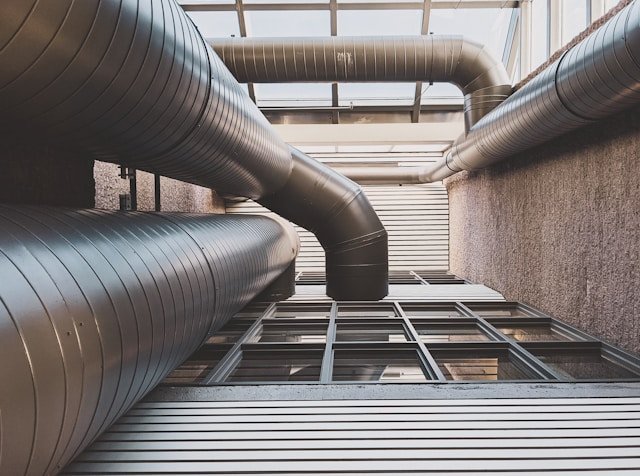
Ductwork and Air Distribution
Ductwork is the network of passages that carries air throughout your home. It plays a crucial role in distributing heated or cooled air evenly.
Properly designed and maintained ducts ensure efficient airflow and consistent temperatures in all rooms. Leaky or poorly insulated ducts can lead to energy loss and uneven heating or cooling.
Regular inspection and cleaning of ductwork help maintain system efficiency and indoor air quality.
Types of HVAC Systems
There are several types of HVAC systems available, each suited to different needs and budgets. Split systems are the most common, consisting of separate indoor and outdoor units. Packaged systems combine all components into a single unit, often used in smaller homes or apartments.
Ductless mini-split systems are ideal for homes without existing ductwork. They provide targeted heating and cooling for specific areas. Hybrid systems combine traditional heating methods with energy-efficient heat pumps, offering flexibility and savings.
Choosing the right system depends on factors such as home size, climate, and personal preferences.
Maintenance and Efficiency
Regular maintenance is essential to keep your HVAC system running efficiently. Simple tasks like replacing air filters, cleaning vents, and checking for leaks can make a big difference.
Professional servicing should be done at least once a year to inspect components, clean internal parts, and ensure everything is functioning properly. A well-maintained system not only lasts longer but also consumes less energy.
Energy efficiency can also be improved by sealing gaps, insulating your home, and using programmable thermostats.
Common HVAC Problems
Like any mechanical system, HVAC units can experience issues over time. Common problems include uneven temperatures, strange noises, reduced airflow, and increased energy bills.
These issues can be caused by dirty filters, faulty components, or poor maintenance. Addressing problems early can prevent more serious damage and costly repairs.
If you notice persistent issues, it’s best to consult a professional technician for diagnosis and repair.
Tips for Choosing the Right HVAC System
When selecting an HVAC system, consider factors such as energy efficiency, size, and cost. An oversized or undersized system can lead to inefficiency and discomfort.
Look for systems with high energy ratings, as they consume less electricity and reduce operating costs. It’s also important to choose a reputable brand and work with a qualified installer.
Taking the time to choose the right system ensures long-term performance and satisfaction.
Conclusion
HVAC systems are essential for creating a comfortable and healthy indoor environment. By understanding how heating, cooling, and ventilation work together, homeowners can make better decisions about maintenance, upgrades, and energy use.
Whether you’re adjusting your thermostat, replacing filters, or considering a new system, having a basic understanding of HVAC principles can go a long way. With proper care and attention, your HVAC system can provide reliable comfort for many years to come.