

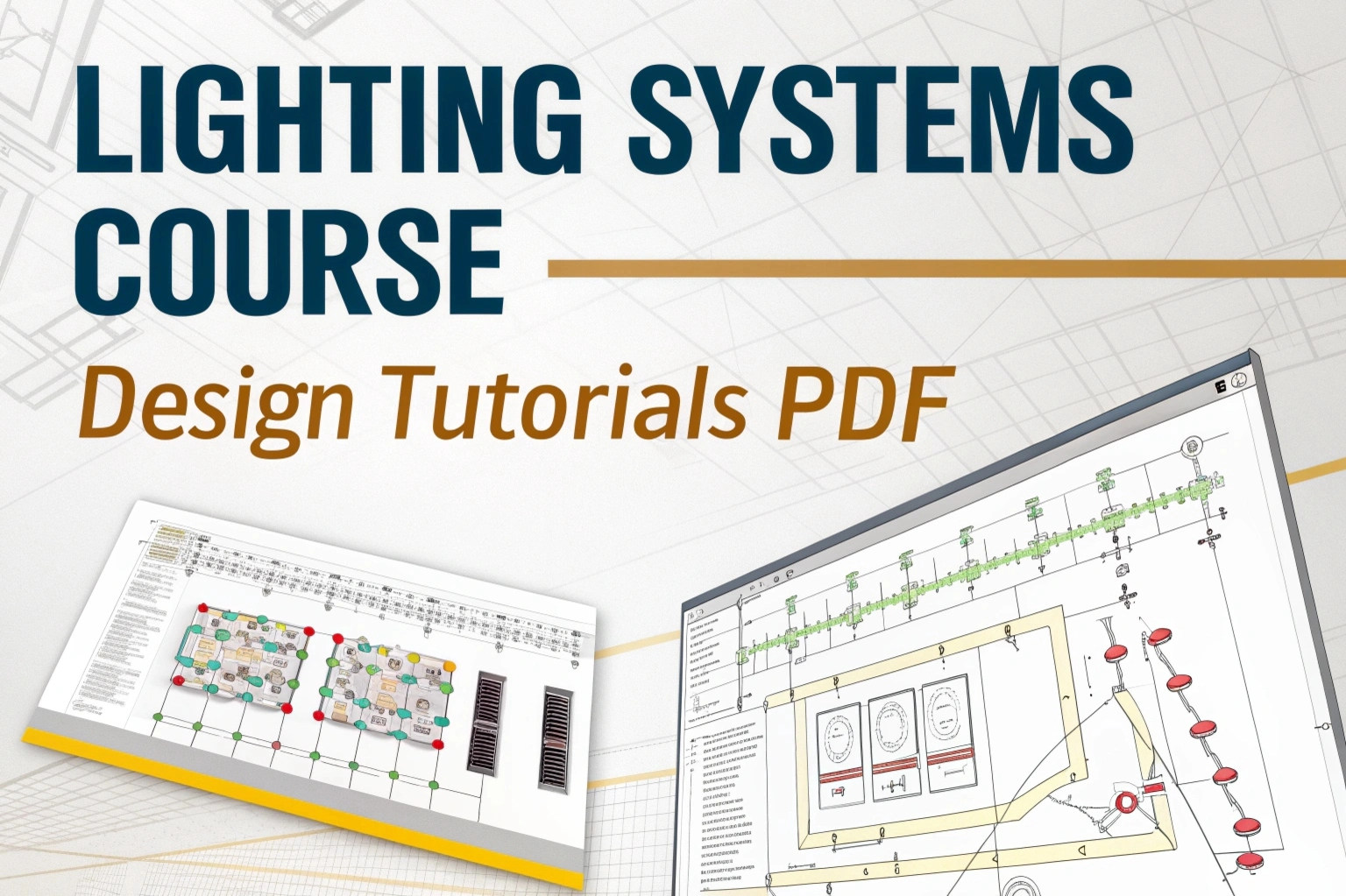
Fire alarm system is technique which is used to by designers to make good alarm system. they obtains knowledge using multiple techniques one of the most common technique is reading pdf files , watching videos , and practical experience. they Use their knowledge to design alarm system on the buildings like offices, schools etc. this is very important all over the world and still its very difficult to make good alarm system.
Course Modules Overview
- Introduction to Fire Alarm Systems Learn the objectives of fire detection and alarm notification, the roles of addressable versus conventional panels, and the life‑safety functions required by code.
- Key Definitions and Standards Familiarize yourself with terms like initiating device circuit (IDC), notification appliance circuit (NAC), and the latest NFPA 72 requirements governing fire alarm design and performance.
- Detector and Notification Device Selection Explore different detector technologies—photoelectric, ionization, and multi‑criteria units—along with horn‑strobes, speakers, and visual alarms. Understand spacing and coverage criteria.
- Specialized Applications Review design considerations for high‑hazard environments such as oil & gas facilities, data centres, and healthcare, where smoke control and alarm integration require specialized approaches.
- Installation Details Detailed best practices for conduit routing, power supervision, tamper‑resistant mounting, and correct wiring methods to ensure reliable operation and system integrity.
- System Layout & Schematic Design Step‑by‑step guidance on drafting floor plans, riser diagrams, and panel board schedules. Learn how to balance device counts per zone and calculate voltage drops.
- Circuit Distribution Criteria Determine maximum device counts per NAC, IDC load calculations, and standby battery sizing to comply with power‑limited circuit requirements.
- Panel Schedule & Documentation Create comprehensive panel schedules, device index tables, and inspection checklists. Proper documentation streamlines commissioning, AHJ review, and ongoing maintenance.
Your Free Fire Alarm Design Course PDFs
Gaining access to all 8 course modules is possible now they have diagrams and calculation sheets and code examples in pdf guides that is easy to follow its good for self study or classroom training or for reference when you doing project design End of Course Rewrite
Article Topic Tags:
Found this technical guide useful? Share with fellow engineers:
Engineering AI Co-Pilot
Have Specific Equipment or Plant Capacities to Calculate?
Our AI Specialist can troubleshoot technical issues, calculate duct velocity, determine chiller load, or size cables specifically for "Fire Alarm System Design Course – Free PDF Tutorial".

popeye21834
Licensed Engineering ContributorChartered Senior MEP Engineer & Review Board Specialist with extensive design, testing, and commissioning field experience across commercial and industrial infrastructure.
Previous Article
Blast Chiller: The Ultimate Solution for Fast and Safe Cooling
Next Article
Rainwater Drainage Calculation Excel Sheet – Free

Leave a Reply