
Class A Fires – Ordinary Combustibles:
Description: Class A fires, the quintessential flames of our everyday, involve materials like wood, paper, cloth, cardboard, and select plastics. They beckon a symphony of embers and leave a testament in ashes. A dance of slow, smoldering combustion ensues.
Extinguishing Agents: Water, the elemental elixir, reigns supreme for Class A fires. Yet, in this ensemble, foam and dry chemical extinguishers also find their role, lending their own harmonious notes.
Class B Fires – Flammable Liquids and Gases:
Description: Class B fires, fueled by the essence of flammables, encompass liquids (gasoline, oil, alcohol), gases (propane, natural gas), and even flammable solids like wax. Flames leap and tongues of fire dance, quick to spread their fervor. Volatility is their signature.
Extinguishing Agents: Foam, carbon dioxide (CO2), and dry chemical extinguishers step onto the stage for Class B fires. Water, cautious in its role, steps back to avoid fanning the fiery ardor of flammable liquids.
Class C Fires – Electrical Fires:
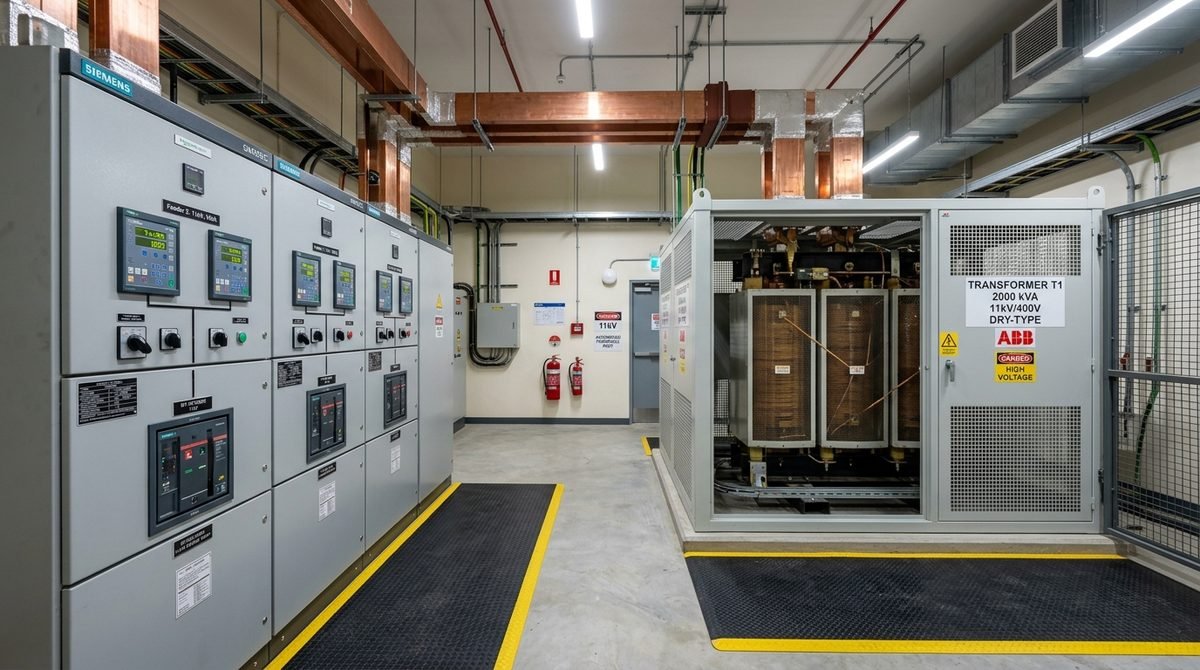
Description: Class C fires, born from the very heartbeat of modernity, originate in electrical equipment. The source, a pulsating surge of life, poses unique risks. Wiring, panels, and devices conduct this incendiary ballet.
Extinguishing Agents: Agents of non-conduction, CO2 and dry chemical extinguishers, emerge as the heroes. Yet, their task is twofold; cutting off the very life force, the power source, is of paramount importance.
Class D Fires – Combustible Metals:
Description: Class D fires, a cauldron of metallurgic might, feature combustible metals – magnesium, sodium, potassium, titanium. Their dance is fierce, an inferno of molten intensity. Beware, for water and common extinguishing agents can stoke their fury.
Extinguishing Agents: Enter specialized dry powder extinguishing agents, tailored to the specific metal in play. Water, once a life giver, transforms into an instigator, exacerbating these ferocious flames.
Class K (F) Fires – Culinary Infernos:
Description: Class K fires, the culinary crescendos, grace commercial kitchens. Here, oils, fats, and greases fuel the inferno. Temperatures rise, and burning oil splashes in a fiery ballet.
Have Specific Equipment or Plant Capacities to Calculate?
Our AI Specialist can troubleshoot technical issues, calculate duct velocity, determine chiller load, or size cables specifically for "".
Shahrukh Shaikh
Licensed Engineering ContributorChartered Senior MEP Engineer & Review Board Specialist with extensive design, testing, and commissioning field experience across commercial and industrial infrastructure.

Leave a Reply