









Electricity powers nearly every aspect of modern living, from lighting and appliances to entertainment and security systems. While it brings convenience and comfort, it also comes with risks if not handled properly. Electrical hazards are one of the leading causes of house fires and injuries worldwide, making it essential for homeowners to understand and practice basic safety measures. Whether you live in a new house or an older property, being aware of electrical safety can protect your family, your belongings, and your investment.
Understand Your Home’s Electrical System
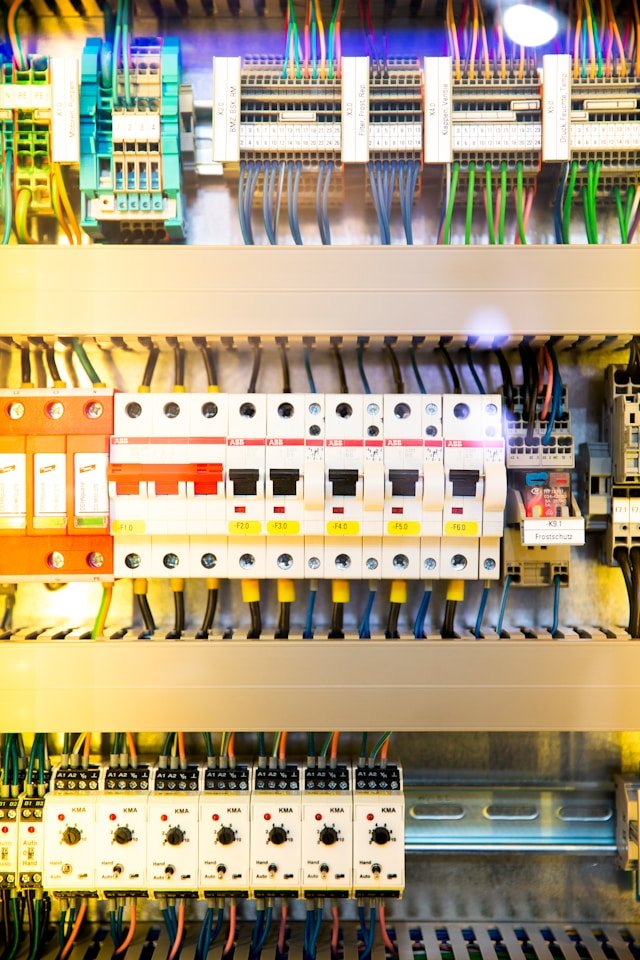
One of the first steps toward electrical safety is having a basic understanding of your home’s electrical system. This includes knowing where your main electrical panel is located, how to shut off power in an emergency, and identifying which circuits control different parts of your home. The electrical panel, often referred to as the breaker box, is the control center for your home’s electricity. If a circuit becomes overloaded, the breaker will trip to prevent overheating and potential fires.
Take the time to label each circuit clearly. This simple step can save valuable time during emergencies or when performing maintenance. If your home still uses an outdated fuse box instead of circuit breakers, it may be worth considering an upgrade, as modern systems offer better protection and reliability.
Avoid Overloading Outlets
Overloading electrical outlets is one of the most common safety mistakes homeowners make. Plugging too many devices into a single outlet or power strip can cause overheating and increase the risk of fire. High-power appliances such as heaters, microwaves, and air conditioners should always be plugged directly into a wall outlet rather than shared with other devices.
Using extension cords as a permanent solution is another risky habit. Extension cords are designed for temporary use only. If you find yourself relying on them regularly, it may be a sign that you need additional outlets installed by a qualified electrician.
Inspect Cords and Plugs Regularly
Damaged cords and plugs are a major source of electrical hazards. Frayed wires, exposed insulation, or loose connections can lead to electric shocks or fires. Make it a habit to inspect all electrical cords in your home, especially those used frequently.
If you notice any signs of damage, replace the cord immediately rather than attempting a temporary fix. Avoid running cords under carpets or rugs, as this can trap heat and cause wear over time. Additionally, always unplug devices by pulling the plug itself rather than the cord to prevent unnecessary strain.
Keep Water Away from Electricity
Water and electricity are a dangerous combination. Areas such as kitchens, bathrooms, and outdoor spaces require extra caution because of the increased risk of moisture. Never handle electrical devices with wet hands, and ensure that appliances are kept away from sinks, bathtubs, and other water sources.
Installing Ground Fault Circuit Interrupters (GFCIs) in areas where water is present is highly recommended. These devices automatically cut off power if they detect a ground fault, significantly reducing the risk of electric shock. Many modern homes already have GFCIs installed, but if yours does not, upgrading is a wise investment.
Use the Right Light Bulbs
Using the correct type and wattage of light bulbs is more important than many homeowners realize. Fixtures are designed to handle a specific maximum wattage, and exceeding this limit can cause overheating and potentially start a fire.
Always check the recommended wattage for your light fixtures and use bulbs that meet those specifications. Switching to energy-efficient options like LED bulbs not only reduces energy consumption but also generates less heat, making them a safer choice overall.
Childproof Your Electrical Outlets
If you have young children at home, taking extra precautions is essential. Electrical outlets can be particularly tempting for curious kids, and inserting objects into them can lead to serious injuries.
Use outlet covers or tamper-resistant receptacles to prevent access. Keep cords out of reach and teach children about the dangers of electricity as they grow older. Childproofing your home is a simple yet effective way to reduce the risk of accidents.
Be Cautious with DIY Electrical Work
While many homeowners enjoy tackling DIY projects, electrical work is an area where caution is critical. Attempting complex repairs or installations without proper knowledge can lead to serious consequences, including injury, fire, or damage to your home’s electrical system.
Simple tasks like changing a light fixture or replacing a switch may be manageable with proper guidance, but more advanced work should always be handled by a licensed electrician. Hiring a professional ensures that the job is done safely and in compliance with local codes and regulations.
Watch for Warning Signs
Electrical problems often give warning signs before they become serious hazards. Being able to recognize these signs can help you take action early and prevent accidents. Common warning signs include:
Flickering or dimming lights, which may indicate a wiring issue or overloaded circuit.
Frequent circuit breaker trips, suggesting that your system is under strain.
Burning smells or scorch marks around outlets and switches, which can signal overheating.
Buzzing sounds from electrical fixtures or outlets, indicating loose wiring or faulty components.
If you notice any of these issues, it is important to address them immediately rather than ignoring them.
Install Smoke Detectors and Fire Extinguishers
While prevention is the best strategy, being prepared for emergencies is equally important. Smoke detectors play a critical role in alerting you to potential fires, giving you valuable time to act. Install smoke detectors in key areas of your home, including bedrooms, hallways, and living spaces, and test them regularly to ensure they are functioning properly.
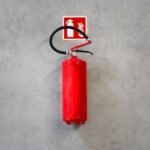
Having a fire extinguisher readily available is another important safety measure. Make sure you know how to use it and keep it in an accessible location, such as the kitchen. In the event of an electrical fire, never use water to extinguish it, as this can make the situation worse. Instead, use a fire extinguisher designed for electrical fires.
Schedule Regular Electrical Inspections
Even if everything appears to be working fine, regular electrical inspections are essential for maintaining safety. Over time, wiring can degrade, connections can loosen, and systems can become outdated. A professional inspection can identify potential issues before they turn into major problems.
This is especially important for older homes, which may not have been built to handle the electrical demands of modern appliances and technology. Upgrading your electrical system can improve safety, efficiency, and overall performance.
Practice Safe Appliance Usage
Everyday appliances can pose risks if not used properly. Always follow the manufacturer’s instructions and avoid using appliances that show signs of damage or malfunction. Unplug devices when they are not in use, especially those that generate heat, such as irons or toasters.
Avoid using electrical devices during storms, as power surges caused by lightning can damage equipment and increase the risk of fire. Installing surge protectors can help safeguard your appliances and electronics from sudden voltage spikes.
Conclusion
Electrical safety is not something to take lightly. By understanding your home’s electrical system, avoiding common mistakes, and staying alert to potential hazards, you can significantly reduce the risk of accidents. Simple steps like inspecting cords, using the right equipment, and keeping water away from electricity can make a big difference.
Taking a proactive approach to electrical safety not only protects your home but also provides peace of mind. Whether it’s scheduling regular inspections or teaching your family about safe practices, every effort counts. With the right knowledge and habits, you can create a safer living environment for everyone in your household.