
PRO Upgrade to MEP Details Pro — Unlock Advanced AI, MEP Calculations, Tools & SOPs View Plans →
ELECTRICAL 4 min read PE Verified

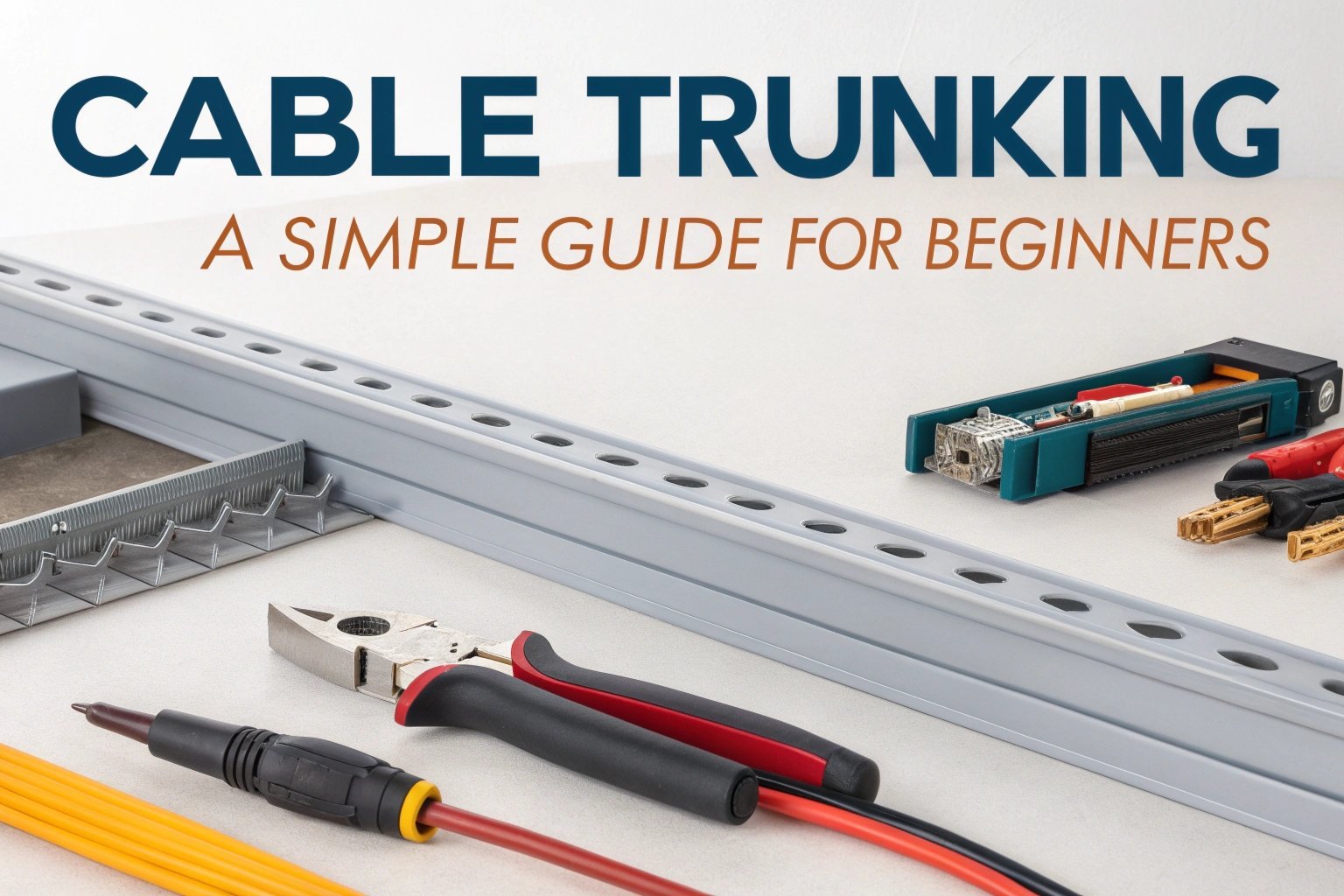
Cable Trunking: A Simple Guide for Beginners

popeye21834
popeye21834
Published January 1, 1970
Cable Trunking: A Simple Guide for Beginners
Ref: Plant Equipment Specification • ISHRAE / ASHRAE Standards MEP Technical Asset

Trunking is one of the most reliable and organized ways of managing electrical wires in homes, offices, and other buildings. Trunking routes these wires along a secured pathway instead of allowing them to hang loose or remain exposed. In turn, the installation becomes neater, safer, and easier to maintain. Since modern buildings rely so much on electrical systems, trunking has become an important feature in their electrical design.

Trunking not only conceals cables but also safeguards them against dust, heat, moisture, and accidental damages. This helps elongate the life of the wiring and maintains the stability of the entire electrical system in the long run.

What Is Cable Trunking?

Cable trunking is a protective enclosure made from PVC, metal, or aluminum, housing electrical cables. The main purpose of this is to organize and shield wires so they remain safe and easy to deal with. Furthermore, trunking allows the addition or removal of cables in the future without breaking walls or making any mess. Since buildings evolve with new technology, trunking offers a flexible solution for future upgrades.

Why Cable Trunking Is Important

In those buildings where a number of cables run together, cable trunking becomes extremely useful. Without trunking, wires may get tangled or damaged, and even cause electrical hazards. With trunking, the entire wiring layout becomes systematic. This is especially important in offices, server rooms, commercial shops, and industrial plants where cable density is high.

Further, cable trunking enhances the general appearance of the area. The environment looks more neat and professional when wires are arranged neatly in a trunk.

Types of Cable Trunking

Depending on the application and the cable load, different types of trunking are employed. Each has its merits.

PVC Cable Trunking

PVC is lightweight and inexpensive, and it is easy to install. It is primarily used in domestic installations, small offices, and indoor applications. Since PVC does not rust, it can last for many years.

Metal Cable Trunking

Metal trunking is normally made of steel or aluminum and provides a very high level of protection. It is ideal for industrial, workshop, and commercial building environments where mechanical strength is important. Metal trunking also reduces electromagnetic interference.

Perforated Trunking

Perforated trunking has holes on its sides. These clearances provide a route for the air inside the trunk, hence preventing overheating of cables within it. This type is mainly used in data centres, telecommunication rooms, and high-temperature areas.

Floor Trunking

Floor trunking is installed under floors to carry cables safely across open spaces. It helps eliminate tripping hazards and keeps the area neat.

How it Is Installed

The installation process is straightforward, but it requires a lot of care. First, the technician marks where the trunking is going, after which he fixes the trunking with screws or adhesive, depending on the surface. After the trunk is secure, cables are put inside and are arranged nicely. Finally, the cover is closed tightly to protect the wires.

Although the process looks straightforward, proper alignment and spacing are important. This ensures the trunking stays secure and provides enough space for cable movement or future expansion.

Benefits of Using Cable Trunking

Cable trunking offers several key advantages.
To begin with, it improves safety by protecting cables from external damage. In addition, it provides a neat and professional look, especially in commercial spaces. Since trunking allows easy access, maintenance becomes quicker and less messy. Furthermore, future upgrades can be done without cutting walls or removing plaster.

Over time, using trunking reduces repair costs because the cables remain safe, organized, and protected from wear and tear.

Where this Is Commonly Used

In fact, cable trunking is used almost everywhere. Homes use it for TV, internet, and power cables. It is essential in offices for network wiring and electrical outlets. Industries apply it for heavy-duty cables and control wiring. Even schools, hospitals, and shopping malls use trunking to maintain their wiring system organized and safe.

Cable trunking is a very simple but highly effective system of managing electrical cables. From small home installations to extensive industrial applications, it makes the wiring much safer, neater, and less cumbersome. As buildings continuously grow more complex, the importance of better cable management increases. With trunking, you get a clean look today and long-term safety for the future. It’s a smart choice for anyone who cares about electrical safety and neatness.

Found this technical guide useful? Share with fellow engineers:
Engineering AI Co-Pilot

Have Specific Equipment or Plant Capacities to Calculate?

Our AI Specialist can troubleshoot technical issues, calculate duct velocity, determine chiller load, or size cables specifically for "Cable Trunking: A Simple Guide for Beginners".

popeye21834

popeye21834

Licensed Engineering Contributor
View all posts

Chartered Senior MEP Engineer & Review Board Specialist with extensive design, testing, and commissioning field experience across commercial and industrial infrastructure.

Leave a Reply

Your email address will not be published. Required fields are marked *

Blog