






Sustainable living has become a priority for many homeowners, and plumbing systems play a significant role in water conservation and energy efficiency. Modern eco-friendly plumbing upgrades not only reduce environmental impact but also lower utility bills and enhance the long-term value of a home. By integrating water-saving devices, energy-efficient appliances, and smart plumbing solutions, homeowners can create a more sustainable and efficient household.
Low-Flow Fixtures
One of the simplest and most effective eco-friendly upgrades is installing low-flow fixtures. These include faucets, showerheads, and toilets designed to use less water without compromising performance.
- Low-Flow Showerheads: Modern low-flow showerheads reduce water usage by controlling the flow rate while maintaining adequate pressure for a satisfying shower experience.
- Low-Flow Toilets: Older toilets can use up to seven gallons per flush, while modern low-flow models use as little as 1.28 gallons, significantly reducing water consumption.
- Aerated Faucets: Faucet aerators mix air with water, maintaining pressure while reducing flow. They are easy to install and provide immediate savings.
By replacing traditional fixtures with low-flow alternatives, homeowners can cut water usage by up to 30%, making a noticeable impact on both utility bills and the environment.
Tankless Water Heaters
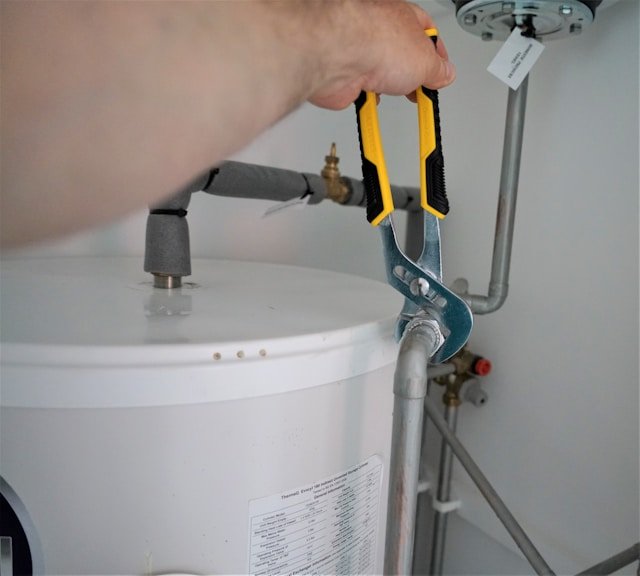
Traditional water heaters store and constantly heat large volumes of water, resulting in energy waste. Tankless water heaters, also known as on-demand water heaters, provide hot water only when needed.
- Energy Efficiency: Tankless systems heat water directly, eliminating standby heat loss and reducing energy consumption.
- Compact Design: They occupy less space, allowing for flexible installation locations.
- Longevity: Tankless water heaters often last longer than conventional tanks, providing long-term savings.
Switching to a tankless water heater can reduce energy bills and minimize the carbon footprint associated with heating water in the home.
Greywater Recycling Systems
Greywater recycling systems collect and reuse water from sinks, showers, and washing machines for non-potable purposes such as irrigation and toilet flushing.
- Water Conservation: By repurposing greywater, homeowners significantly reduce overall water consumption.
- Eco-Friendly Landscaping: Using greywater for irrigation helps maintain gardens and lawns without drawing additional freshwater.
- Cost Savings: Reusing water lowers both water bills and the demand on municipal water systems.
Installing a greywater system requires professional planning but provides substantial long-term benefits for both the environment and the homeowner.
Water-Efficient Appliances
Modern appliances designed for efficiency are key components of an eco-friendly plumbing system.
- Dishwashers: Energy Star-certified dishwashers use less water and energy than older models, cleaning effectively with minimal waste.
- Washing Machines: High-efficiency washing machines consume less water and electricity while still providing thorough cleaning.
- Smart Appliances: Some appliances offer smart controls that optimize water and energy use based on load size and cycle selection.
Upgrading to water-efficient appliances helps reduce the overall household water footprint and contributes to sustainable living.
Leak Detection and Prevention
Even small leaks can waste thousands of gallons of water annually. Installing leak detection systems is an effective eco-friendly upgrade.
- Smart Water Sensors: These devices detect leaks in real-time and alert homeowners via smartphones or home automation systems.
- Automatic Shutoff Valves: In the event of a leak, these valves can automatically stop water flow, preventing damage and conserving water.
- Regular Maintenance: Periodic inspection of pipes, fixtures, and appliances ensures that minor leaks are addressed before they become significant problems.
Investing in leak detection and prevention tools enhances sustainability and protects your home from costly water damage.
Rainwater Harvesting Systems
Rainwater harvesting systems capture rainwater from roofs and store it for later use. This water can be used for irrigation, washing vehicles, or even for toilet flushing with proper treatment.
- Water Savings: Harvested rainwater reduces dependence on municipal water supplies.
- Environmental Benefits: Utilizing rainwater lowers stormwater runoff and helps maintain natural groundwater levels.
- Cost Efficiency: Over time, rainwater harvesting can reduce water bills and provide a free source of water for non-potable uses.
Rainwater harvesting is particularly beneficial in regions with seasonal rainfall, providing a reliable and eco-friendly water source.
Insulate Pipes
Insulating hot water pipes is a simple yet effective eco-friendly upgrade. It reduces heat loss, allowing water to reach desired temperatures faster and decreasing the energy required to heat it.
- Energy Savings: Proper insulation reduces the energy used by water heaters, lowering electricity or gas bills.
- Faster Hot Water Delivery: Insulated pipes deliver hot water more quickly, reducing wasted water while waiting for the desired temperature.
- Extended Appliance Lifespan: By maintaining consistent water temperatures, pipe insulation reduces stress on water heaters and plumbing fixtures.
Pipe insulation is an affordable upgrade that provides immediate energy efficiency benefits.
Smart Home Integration
Integrating plumbing systems with smart home technology allows homeowners to monitor and control water usage efficiently.
- Remote Monitoring: Smart devices provide data on water consumption and detect anomalies in real-time.
- Automated Controls: Timers and sensors can optimize water use in irrigation systems and appliances.
- Usage Analytics: Detailed insights help identify opportunities to save water and energy throughout the home.
Smart plumbing solutions combine convenience with sustainability, empowering homeowners to make eco-friendly choices.
Conclusion
Eco-friendly plumbing upgrades are essential for modern homes seeking sustainability, efficiency, and cost savings. By installing low-flow fixtures, tankless water heaters, greywater recycling systems, and water-efficient appliances, homeowners can significantly reduce water consumption and energy use.
Leak detection, rainwater harvesting, pipe insulation, and smart home integration further enhance water conservation efforts and protect the home’s infrastructure. These upgrades not only benefit the environment but also provide long-term financial savings and improved comfort. Embracing eco-friendly plumbing solutions is a practical and responsible choice for any homeowner looking to build a sustainable and efficient living space.