






Fire sprinkler systems are one of the most effective ways to control and suppress fires in residential, commercial, and industrial buildings. These systems are designed to respond automatically when a fire is detected, reducing property damage and increasing occupant safety. Understanding how fire sprinkler systems work during emergencies helps homeowners, building managers, and safety professionals appreciate their importance and ensure proper maintenance for reliable performance.
Components of a Fire Sprinkler System
A typical fire sprinkler system consists of several key components that work together to detect and suppress fires:
- Sprinkler Heads: Sprinkler heads are installed throughout the building and act as the primary point of water discharge. They remain closed under normal conditions and are activated by heat. Each head is designed to respond to a specific temperature range.
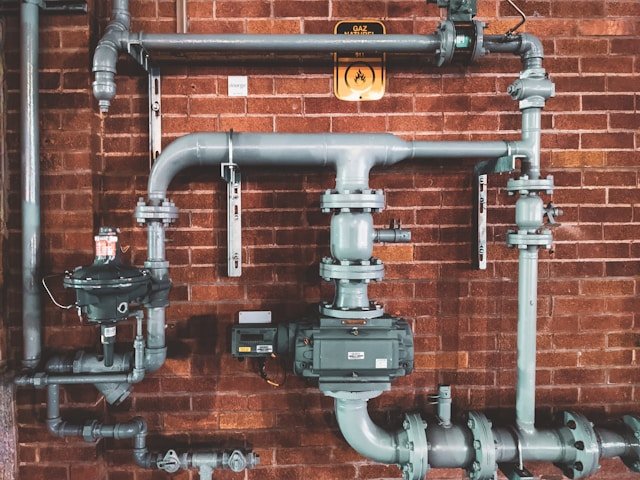
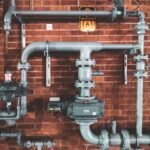
- Pipes and Water Supply: Pipes deliver water to the sprinkler heads. Systems can connect to municipal water supplies or dedicated water tanks. Some systems are pressurized to ensure immediate water flow upon activation.
- Control Valves: These valves regulate water flow within the system. They can isolate sections for maintenance and ensure that water is available where needed during a fire.
- Alarm Systems: Many sprinkler systems are integrated with fire alarms to notify occupants and emergency services when a sprinkler activates.
Detection and Activation
Fire sprinkler heads are equipped with heat-sensitive elements, typically a glass bulb filled with liquid or a fusible metal link.
- Glass Bulb Sprinklers: The bulb contains a liquid that expands when exposed to heat. Once the temperature reaches a predetermined threshold, the bulb bursts, opening the sprinkler head.
- Fusible Link Sprinklers: A metal link holds the sprinkler in place and melts at a specific temperature, releasing the sprinkler head.
It’s important to note that sprinklers operate individually; only the heads near the fire activate. This targeted approach conserves water and minimizes water damage to unaffected areas.
Water Discharge and Fire Suppression
Once activated, the sprinkler head releases water directly onto the fire. The water cools the flames, reducing heat and slowing combustion.
- Spray Pattern: Sprinkler heads are designed to distribute water evenly over a specific area. The pattern depends on the type of head and the coverage area required.
- Cooling Effect: Water absorbs heat from the fire, lowering the temperature below the combustion point and preventing the fire from spreading.
- Oxygen Displacement: In some systems, the force of the water and the resulting steam help reduce oxygen around the flames, further suppressing the fire.
Types of Fire Sprinkler Systems
Different types of sprinkler systems are designed to meet specific building needs and fire hazards:
- Wet-Pipe Systems: These systems have water constantly in the pipes and are the most common type. When a sprinkler head activates, water is immediately discharged.
- Dry-Pipe Systems: In cold or unheated areas, pipes are filled with pressurized air instead of water. Water is released only when a sprinkler head activates, preventing frozen pipes.
- Pre-Action Systems: These systems require two triggers: detection of smoke or heat and the activation of a sprinkler head. They are often used in sensitive areas like data centers to prevent accidental discharge.
- Deluge Systems: Deluge systems release water from all sprinkler heads simultaneously when a fire is detected. These are typically used in high-hazard environments, such as chemical plants or industrial facilities.
Integration with Fire Alarms
Modern sprinkler systems are integrated with fire alarms to provide early warning and coordinated response:
- Automatic Alerts: When a sprinkler activates, the fire alarm notifies occupants, emergency services, and building management.
- Evacuation Coordination: Alarms help guide occupants to exits safely while the sprinklers contain the fire.
- Remote Monitoring: Some systems connect to monitoring services that provide real-time updates and dispatch emergency responders immediately.
Maintenance and Testing
For a sprinkler system to function correctly during an emergency, regular maintenance is essential:
- Inspections: Conduct visual inspections to check for leaks, corrosion, or obstruction of sprinkler heads.
- Testing: Periodic flow tests ensure that water reaches all parts of the system at the correct pressure.
- Professional Servicing: Certified technicians should perform annual inspections and maintenance in accordance with local fire codes and NFPA standards.
Conclusion
Fire sprinkler systems are a crucial component of building fire safety, designed to detect, respond to, and suppress fires automatically. Heat-sensitive sprinkler heads, pressurized pipes, and integrated alarm systems work together to minimize fire damage and protect occupants.
By understanding the components, operation, and maintenance of fire sprinkler systems, building owners and residents can ensure these systems function effectively during emergencies. Proper installation, regular inspections, and adherence to safety standards not only enhance the efficiency of sprinkler systems but also provide peace of mind, knowing that fires can be controlled quickly and safely.