

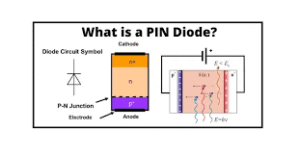
What Is a PIN Diode Made Of?
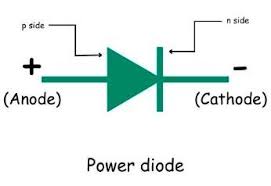
A PIN diode has three parts:- P-type (positive layer)
- I-type (intrinsic or middle layer)
- N-type (negative layer)
How Does a PIN Diode Work?
In forward bias:
The middle layer is filled with charge carriers when the current flows in the proper direction. As a result, there is less resistance and easier current passage across the diode.In reverse bias:
The middle layer stops the current from flowing oppositely. As a result, the diode functions as an insulator. It’s excellent for switching circuits because of this capability.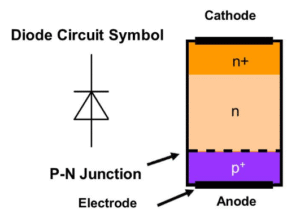
Main Features and Benefits
- Ideal for use with radios and microwaves, it operates well at high frequencies.
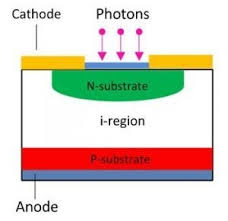
- Light sensors are used because the middle layer is effective at sensing light.
- Quick switching: It switches on and off rapidly.
- Low noise: Very few undesired electrical impulses are produced.
Disadvantages of PIN Diode
- Unsuitable for high current: It is unable to handle high current levels.
- Requires higher voltage: For certain applications, a higher voltage is necessary.
- Requires space: Due to the middle layer, it is larger than standard diodes.
- Slower than the Schottky diode: It may operate a little more slowly in some circuits.
Conclusion
A unique kind of diode found in many modern devices is the PIN diode. It functions effectively in high-frequency, light-sensitive, and quick applications thanks to its special three-layer construction. Despite its low current handling capacity, it remains a highly valuable component in electronics.❓ Frequently Asked Questions (FAQs)
- What is a PIN diode? A PIN diode is an electronic part with three layers (P, I, and N) used for switching, sensing light, and working at high frequencies.
- How is it different from a regular diode? It has a middle “I” layer, which helps in high voltage and fast switching.
- Where is it used the most? It’s used in radios, light sensors, and microwave circuits.
- Can it handle large amounts of current? No, it’s better for low-current applications.
- Is it good for high-speed circuits? Yes, it works well in fast-switching and high-frequency systems.
Article Topic Tags:
Found this technical guide useful? Share with fellow engineers:
Engineering AI Co-Pilot
Have Specific Equipment or Plant Capacities to Calculate?
Our AI Specialist can troubleshoot technical issues, calculate duct velocity, determine chiller load, or size cables specifically for "PIN Diode: How It Works, Its Parts, and Everyday Uses".

Shahrukh Shaikh
Licensed Engineering ContributorChartered Senior MEP Engineer & Review Board Specialist with extensive design, testing, and commissioning field experience across commercial and industrial infrastructure.
Previous Article
The Relationship Between Temperature and Grain Concentration
Next Article
A Complete Guide to Different Types of Solar Panels

Leave a Reply