


Introduction
Residential plumbing is an essential part of every home, yet many homeowners have only a basic understanding of how it works. From delivering clean water to removing waste efficiently, plumbing systems are designed to ensure comfort, hygiene, and safety. Whether you are a new homeowner or just curious about your home’s infrastructure, understanding the fundamentals of residential plumbing can help you troubleshoot minor issues, communicate effectively with professionals, and even save money on costly repairs.
The Basics of Residential Plumbing
At its core, a residential plumbing system consists of two main subsystems: the water supply system and the drainage system. The water supply system brings fresh water into your home, while the drainage system removes wastewater and ensures it flows safely to the sewer or septic system. Both systems are interconnected yet operate independently to maintain hygiene and prevent contamination.
Water Supply System
The water supply system begins at the municipal water line or a private well. In most urban and suburban areas, homes are connected to a municipal water source that provides treated, potable water. From the main water supply, water enters your home through a main shut-off valve, which allows you to stop the flow of water in case of emergencies or repairs.
Inside the home, water is distributed through a network of pipes made from materials like copper, PEX, or PVC. Each type of pipe has its own advantages: copper is durable and heat-resistant, PEX is flexible and easy to install, and PVC is affordable and corrosion-resistant. These pipes carry water to faucets, showers, toilets, appliances, and other fixtures.
To regulate water pressure and prevent damage, homes are equipped with pressure-reducing valves and sometimes water softeners or filtration systems. Water heaters are also an integral part of the supply system, providing hot water for bathing, cleaning, and cooking. Tank-based water heaters store and heat water, while tankless models heat water on demand, offering energy efficiency and continuous hot water supply.
Drainage and Wastewater System
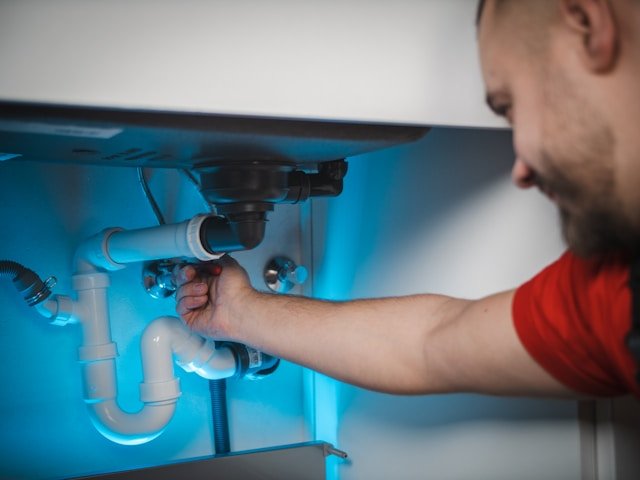
The drainage system is designed to remove used water and waste efficiently. It consists of drain pipes, traps, vents, and the main sewer line. When water leaves a sink, bathtub, or toilet, it travels through drain pipes connected to P-traps. These P-shaped traps hold a small amount of water, creating a seal that prevents sewer gases from entering the home.
Vents are another crucial component of the drainage system. They allow air to enter the pipes, balancing the pressure and helping wastewater flow smoothly. Without proper venting, drains can become slow or clogged, and unpleasant odors may develop. All drainage eventually leads to the main sewer line or a septic tank, depending on your home’s connection.
Common Plumbing Fixtures and Their Functions
Understanding the key plumbing fixtures in your home is important for troubleshooting and maintenance. Common fixtures include sinks, toilets, showers, bathtubs, dishwashers, and washing machines. Each fixture has its own supply and drainage requirements, but they all follow the same basic principles of water flow and waste removal.
- Sinks and Faucets: These provide clean water for washing and cleaning. Faucet aerators help conserve water, and proper drainage prevents leaks and backups.
- Toilets: Toilets are connected to the water supply for flushing and to the drain system for waste removal. Modern toilets use less water while maintaining efficiency.
- Showers and Bathtubs: Showers often combine hot and cold water through a mixing valve, while bathtubs require sufficient drainage to prevent overflow.
- Appliances: Dishwashers and washing machines connect to both water supply and drainage systems. Proper installation ensures they operate safely and efficiently.
Signs of Plumbing Issues
Recognizing early signs of plumbing problems can prevent extensive damage and costly repairs. Common warning signs include:
- Slow-draining sinks or tubs, indicating clogs in the pipes.
- Low water pressure, which may result from leaks or buildup in pipes.
- Unpleasant odors from drains, often caused by dry traps or sewer issues.
- Leaks or water stains around fixtures, suggesting worn seals or damaged pipes.
- Running toilets, which waste water and increase utility bills.
Prompt attention to these signs can minimize damage and maintain the integrity of your plumbing system.
Maintenance Tips for Homeowners
Regular maintenance is key to keeping your plumbing system functioning smoothly. Some simple practices include:
- Checking for leaks under sinks, around toilets, and near water heaters.
- Cleaning faucet aerators and showerheads to prevent mineral buildup.
- Avoiding flushing non-degradable items, such as wipes or paper towels, which can clog pipes.
- Using strainers in sinks and tubs to catch hair and debris.
- Scheduling professional inspections, especially for older homes with outdated plumbing.
Preventive maintenance not only extends the lifespan of your plumbing system but also saves money on emergency repairs.
When to Call a Professional
While some minor plumbing issues can be handled by homeowners, certain problems require professional attention. Burst pipes, major leaks, sewer line backups, and complex water heater issues are best addressed by licensed plumbers. Professionals have the tools, knowledge, and experience to safely and effectively resolve these problems.
Conclusion
Residential plumbing systems are complex networks that keep homes running smoothly. By understanding how water supply, drainage, and key fixtures work together, homeowners can troubleshoot issues, perform basic maintenance, and make informed decisions when hiring professionals. Regular care and attention ensure your plumbing system remains reliable, efficient, and safe for years to come. Being proactive not only protects your home but also promotes sustainability by conserving water and reducing waste.