

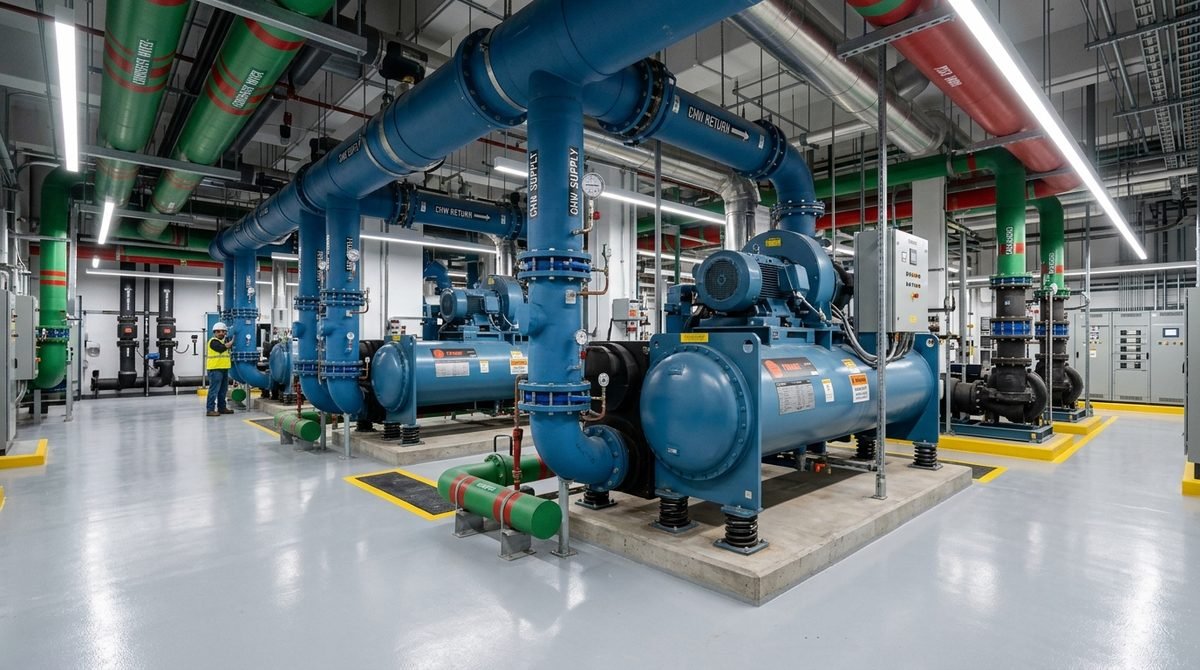
Maintenance:
- Regular Inspection: Conduct routine checks on the compressor for any signs of wear, leaks, or unusual noises.
- Cleaning: Keep the compressor and its surroundings clean to prevent dirt or debris from affecting its performance.
- Lubrication: Ensure proper lubrication of moving parts according to the manufacturer’s recommendations.
- Condenser and Evaporator Maintenance: Clean these components regularly to maintain efficient heat transfer.
- Electrical Components: Inspect and tighten electrical connections to prevent loose connections or shorts.
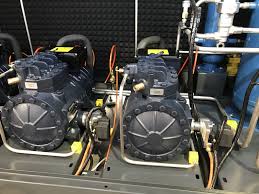
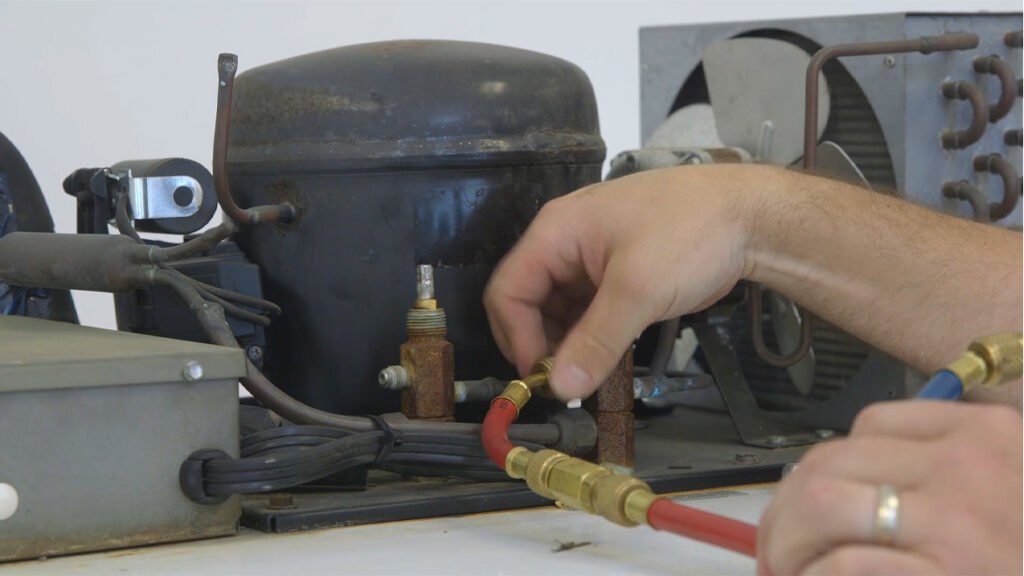
Troubleshooting:
- Poor Cooling: If the system isn’t cooling properly, check for refrigerant leaks, thermostat settings, or issues with the evaporator or condenser.
- Unusual Noises: Grinding, knocking, or rattling sounds may indicate mechanical issues or worn-out parts.
- High Energy Consumption: This could result from a variety of issues such as low refrigerant levels, dirty coils, or inefficient compressor operation.
- Compressor Overheating: Check for airflow obstructions, refrigerant issues, or electrical problems that might cause the compressor to overheat.
- Frequent Cycling: Rapid on-off cycling might indicate issues with the thermostat, refrigerant charge, or pressure controls.
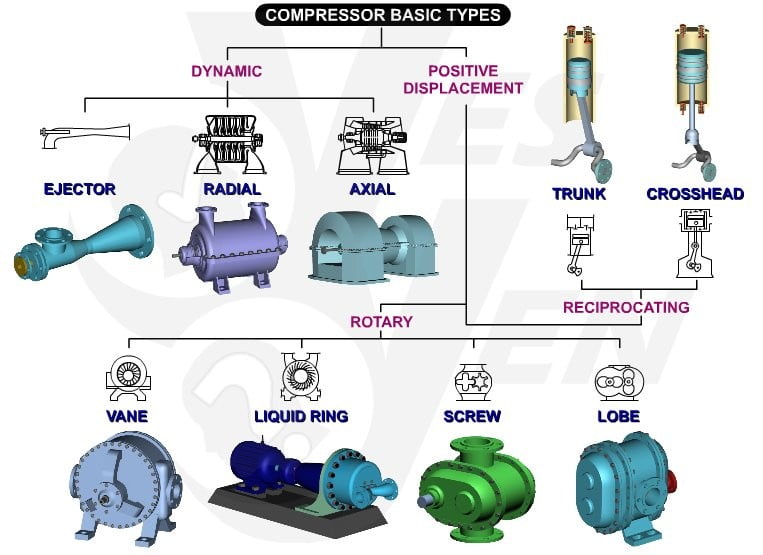
Found this technical guide useful? Share with fellow engineers:
Engineering AI Co-Pilot
Have Specific Equipment or Plant Capacities to Calculate?
Our AI Specialist can troubleshoot technical issues, calculate duct velocity, determine chiller load, or size cables specifically for "Refrigeration compressor maintenance troubleshooting- Free guide".

Shahrukh Shaikh
Licensed Engineering ContributorChartered Senior MEP Engineer & Review Board Specialist with extensive design, testing, and commissioning field experience across commercial and industrial infrastructure.
Previous Article
Lighting Design of a Swimming Pool Free Guide
Next Article
Understanding the Fundamentals: R-Value & U-Value Explained

Leave a Reply