
Don’t Just Look at Full-Load COP — Focus on NPLV
When you select a chiller for a building, it’s tempting to go by the full-load COP printed on the brochures. But here’s the reality: a chiller rarely runs at full load. In most chilled-water plants — especially in buildings with multiple chillers — the system runs at part load or low load about 70–90 % of the time.
Because of that, NPLV becomes the true measure of a chiller’s real-world performance. NPLV is the “city-mileage” of a chiller, reflecting how efficient the unit is under usual conditions, not just optimum ones.
Chillers that are great at full-load COP but have poor part-load behavior just end up wasting more energy and increasing bills over years. That’s why focusing on just full-load COP is misleading.
What Exactly Is NPLV?
NPLV considers efficiency at variable loads. Instead of looking only at 100% load, it combines performance at multiple stages-say, 75%, 50%, 25%, and off-load. This weighted average gives a realistic idea of how the chiller behaves throughout the year.
So when a vendor promises “20 kW/ton at full load,” you still want to check its NPLV number. Differences of 0.02 to 0.03 kW/ton in NPLV may not seem big, but over thousands of operating hours, it creates a huge saving in energy bills.
Why Smart Chillers Are Gaining Ground
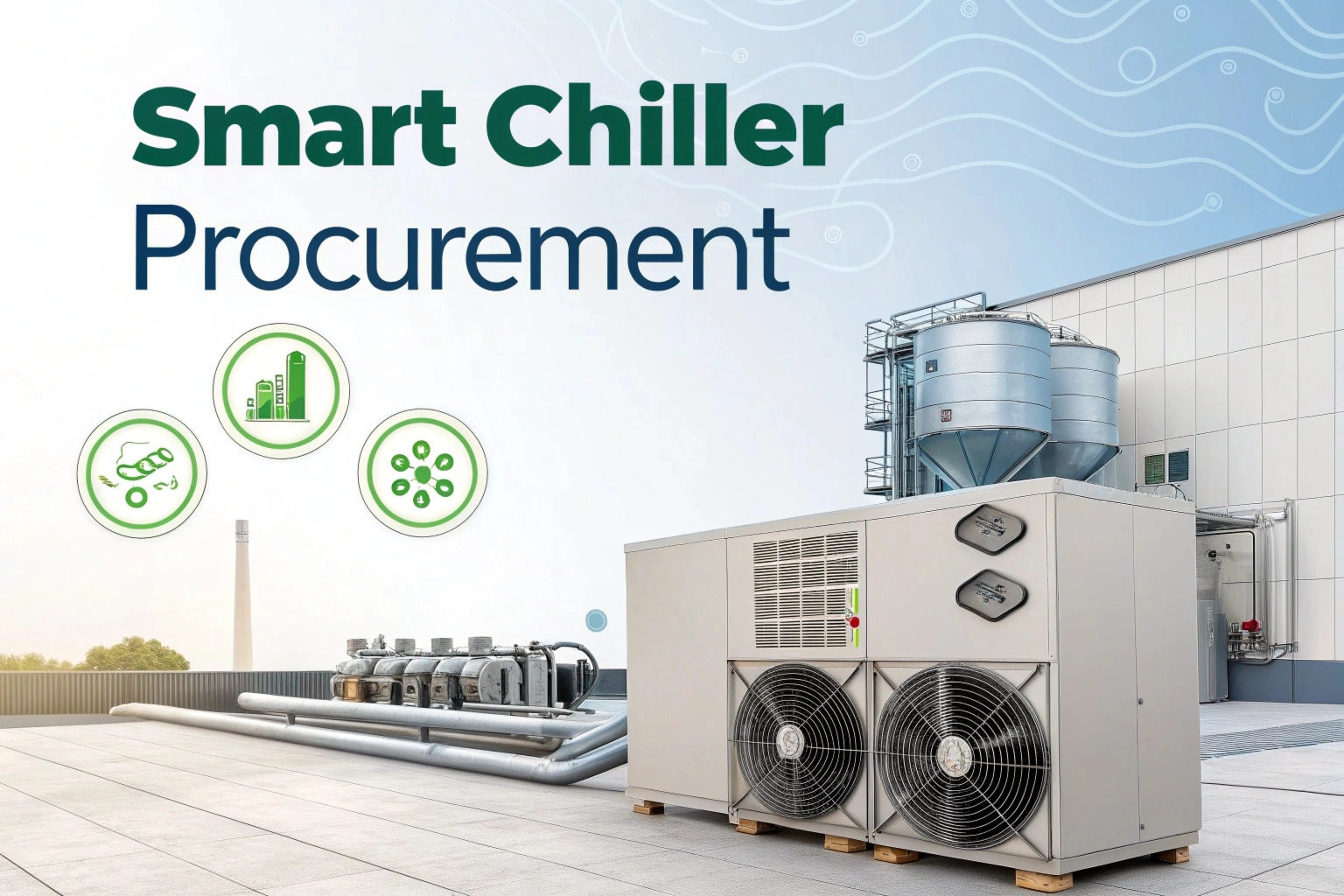
Modern chillers are evolving; they are no longer simple fixed-capacity machines. Smart chillers use sensors, variable-speed drives, orbiting compressors, and advanced control logic to vary the cooling output based on actual load demand. This, in effect, provides real-time adjustment of capacity, fan speed, and refrigerant flow to conditions.
Due to these characteristics, smart chillers usually have better NPLV ratings. They also carry other advantages:
Real-time monitoring and remote control
Predictive maintenance – saves downtime and breakdown costs.
Energy savings by reducing power use during off-peak hours
Avoid continual on/off cycling to prevent long-term equipment damage
In short, smart chillers match real building needs better than old-school constant-capacity units.
Common Procurement Mistakes and How to Avoid Them
Many buyers consistently make one mistake — they select chillers based solely on full-load COP. Consequently:
The chiller operates inefficiently most of the time.
Energy bills become high.
Chiller wears out faster due to frequent starts and stops.
Real-world performance disappoints compared to brochure specs.
To avoid this trap:
Always obtain the NPLV and part-load performance curve from the vendor.
Do not rely only on full-load or design condition values.
Assess the load profile and cooling requirements of your building carefully — many buildings seldom require full load.
Include part-load energy use and long-term operating cost in your evaluation, not just initial price or COP.
This gives a better lifecycle cost estimate.
How to Choose a Smart Chiller — Practical Checklist
When you prepare tender or procurement documents, add the following specifications:
Part-load performance (NPLV) rather than just full-load COP
Variable-speed compressors & EC fans-to improve part-load efficiency
Ability to integrate with building automation/BMS for better control and monitoring.
Proper control logic for part-load/off-load operation such that frequent on/off cycling is avoided
Maintenance and monitoring system-remote alerts, real-time data-for predictive upkeep.
These tests help ensure that you purchase a chiller that performs well in real conditions, saves energy, and gives good ROI.
Buy Smart, Not Just Cheap
Buying a chiller is more than just matching tonnage and price. Real performance comes from how the chiller will behave over the years under part-load conditions and varying demand.
So, before you sign on the dotted line, make NPLV and real-world performance your top priority over glitzy specifications. The cheapest or seemingly most efficient chiller on paper may cost more over time in electricity and maintenance.
Smart procurement means thinking long-term — not just one-time.
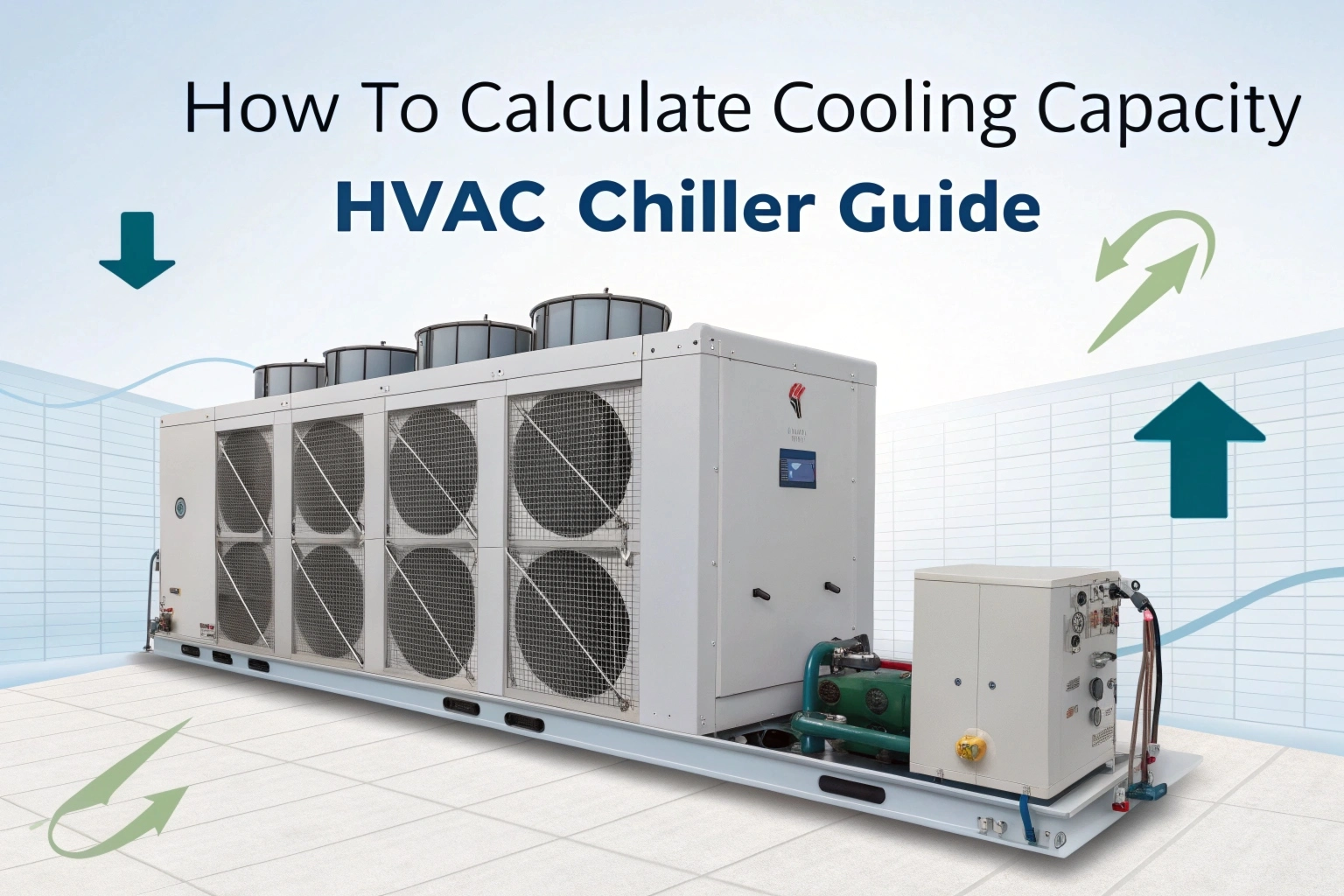
Read Also : Calculate cooling capacity of a chiller in HVAC